
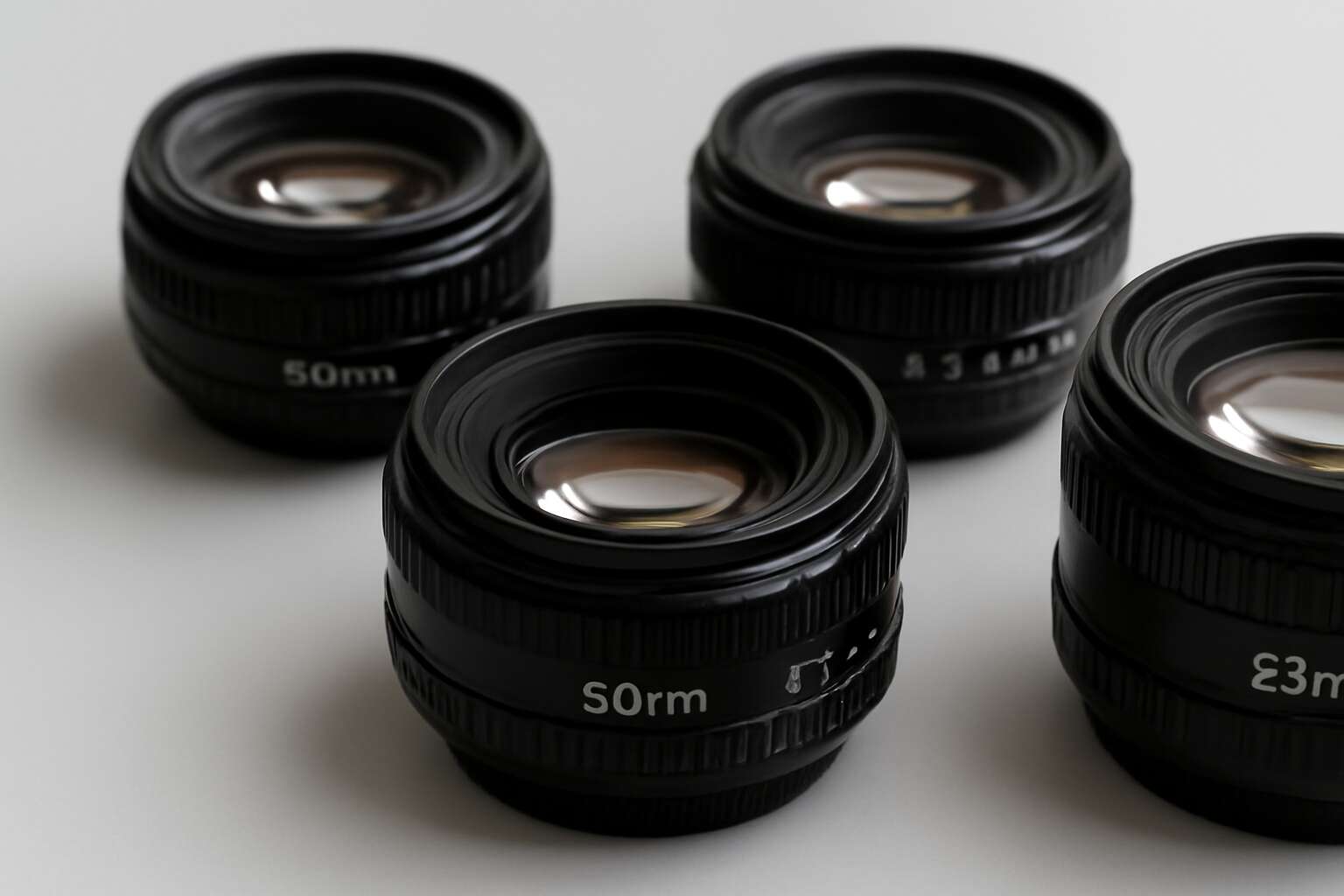
Fundamentals of Camera Lenses
What a lens does and how it affects image quality
The lens is the storyteller’s eye, and the light it catches writes your scene in color and texture. In the realm of camera lenses basics, many pros argue that glass quality shapes two-thirds of a shot’s mood—the rest is light and moment! Different lenses bend space in distinct ways, guiding sharpness, depth, and tone from the scene to the sensor, especially under South African light.
- Focal length and perspective
- Aperture and light gathering
- Optical quality and distortion
Small choices here matter: a wider, faster lens opens shadows with clarity; a telephoto compresses distance, making distant hills feel closer and more dramatic. Understanding how these choices affect perspective and noise helps photographers craft images that sing, whether in a studio, on a safari, or along the coast.
Key lens terminology: focal length, aperture, distance, image stabilization
In the realm of camera lenses basics, four terms stand as gatekeepers of mood: focal length, aperture, distance, and image stabilization. They color how a scene breathes, shaping perspective and pace from the first glance to the last detail.
Focal length defines perspective; a broad, short lens widens the world, while a telephoto pulls distant hills closer, tightening the frame. Aperture governs light gathering and depth, where lower numbers reveal more light and softer backgrounds. Distance sets subject size and spatial rhythm, and image stabilization quietly keeps every moment crisp in shifting South African light.
Consider these pillars:
- Focal length defines perspective
- Aperture governs light gathering and depth of field
- Distance influences subject scale and composition
- Image stabilization reduces camera shake
Types of cameras and compatibility basics
Step into the world of camera lenses basics with a map of what the gear actually does. Different systems—from compact fixed-lens cameras to full-fledged mirrorless and DSLR kits—shape what glass can capture. The choice isn’t only about focal length; it’s about compatibility, speed, and future-proofing your toolkit. In South Africa’s light, the right camera type is a compass at dawn—guiding you through shadow and gold across savannahs and city streets.
Interchangeable systems unlock endless glass, but they ride on mount rules. Be mindful of flange distance, electronic contacts, and how weight behaves when you shoot from a vehicle or a rooftop. The goal is smooth collaboration between body and lens, not friction. For quick orientation, consider these ecosystems:
- Canon RF (mirrorless)
- Canon EF (DSLR)
- Sony E (mirrorless)
- Nikon Z (mirrorless)
- Micro Four Thirds (Olympus/Panasonic)
Adapters can widen the door, but AF performance and weather sealing vary by pairing.
Choosing the right lens for beginners
South Africa’s mornings crown the horizon with gold, and a well-chosen lens makes that light sing instead of merely exist. “A good lens is a passport to light,” a veteran once whispered, and that passport opens through bustling streets, quiet reserves, and endless plains alike.
Fundamentals for beginners hinge on intention and balance. What you shoot, how you handle light, and how portable your kit remains guide the first glass you bring into frame.
- Wide for landscapes and interiors
- Standard for daily moments
- Tele for distant stories
These ideas anchor camera lenses basics and invite a patient, elegant exploration of the craft. The right lens becomes a partner rather than a tool, revealing drama in ordinary light and reminding the eye to listen.
Common lens mistakes and how to avoid them
In the rhythm of South African mornings, even small missteps with a lens can mute a scene. camera lenses basics remind me that mindset shapes image clarity more than gear alone. A common misstep is assuming price equals performance; the truth lives in intention, not ornament.
Common lens mistakes show up in subtle ways:
- Overrelying on a long focal length without judging distance
- Framing without considering how light wraps around the subject
- Neglecting front-element care and weather sealing
- Ignoring calibration and AF behavior in tricky lighting
The antidote lies in patience, listening to the light, and choosing a frame that respects the scene rather than chasing a perfect glass. I’ve learned that when instrument and intention align, ordinary moments gain depth and memory holds still long enough to breathe.
Lens Types You Should Know
Prime vs zoom: core differences and use cases
In a bustling Cape Town morning, a recent SA snapshot survey shows 63% of photographers reach for prime lenses for portraits and switch to zoom for dynamic scenes. camera lenses basics reveal that the choice shapes mood, framing, and timing—often more than the camera itself.
Prime vs zoom: core differences and use cases shine through in practice:
- Prime lenses: fixed focal length, typically brighter apertures, and razor-sharp results in a lighter package.
- Zoom lenses: variable focal length, flexible framing on the fly, and fewer lens swaps in the field.
- Use cases: primes excel in portraits and low light; zooms excel at events, travel, and unpredictable street scenes.
Mastering this choice adds suspense and clarity to every frame, guiding you through the rich tapestry of South African light and landscapes.
Wide-angle lenses and when to use them
From the dawn light over Table Mountain to the cluttered joy of a Cape Town market, wide-angle lenses turn space into a story. In camera lenses basics, these optics reveal how perspective bends mood and place, often more truth than fancy gadgets.
Use wide-angle to capture sweeping landscapes, generous architectural lines, and tight interiors where nothing beyond the doorway fits. Expect more pronounced perspective, edge distortion at the frame’s margins, and a broad depth of field you’ll often achieve with smaller apertures like f/8.
- Landscapes and seascapes where drama unfolds at the edges
- Architectural interiors or tight city scenes
- Street scenes with sweeping foreground elements for scale
In practice, this lens type is a storyteller’s ally, coaxing drama from the everyday while keeping your feet planted and your subject anchored by perspective.
Standard lenses and normal perspective
In the realm of camera lenses basics, standard lenses—often called normal lenses—mirror the human field of view, offering natural perspective at roughly 50mm on full-frame bodies and about 35mm on many APS-C cameras. They spare you the sweep and distortion of wider glass while avoiding the compressed look of telephotos, making scenes feel quietly honest. In South Africa, from Cape Town’s boulevards to quiet townships, these lenses translate everyday life into approachable, balanced frames.
This focal length helps you craft portraits with lifelike proportions, street scenes with unforced rhythm, and everyday architecture anchored by honest perspective.
- Balanced portraits with true facial proportions
- Street scenes that breathe with natural scale
- Architectural details that read without distortion
As a storyteller’s cornerstone, the standard lens invites you to see the world as it stands—unposed, unglossy, and true to the moment.
Telephoto and portrait zooms
“The lens is a confession in glass,” a mentor once told me, and it sticks. In camera lenses basics, telephoto and portrait zooms promise distance with intent, turning crowded streets into quiet conversations. From Cape Town’s boulevards to quiet townships, reach and compression shape emotion without shouting.
Telephoto lenses pull subjects forward while pushing backgrounds backward, producing flattering facial proportions and discreet separation. Portrait zooms—often 70-200mm—offer flexible framing as you move; you can crop in on a smile or widen to include a passerby’s context without stepping in.
- Portrait isolation with gentle compression
- Flexible framing on the move
- Background context without crowding
In a nation of contrasts, the rhythm shifts with your choice of glass. These telephoto and portrait zooms remind us that intent informs image, not just aperture or speed.
Macro lenses for close-up photography
Macro lenses are the microscope of your camera bag, designed for extreme close-ups and textures that vanish at a casual glance. In camera lenses basics, they turn a beach pebble into a landscape of detail and invite you to slow down and inspect every micro-story.
Key traits to know when you chase tiny subjects:
- 1:1 magnification for life-size reproduction, capturing fine detail as if you were eye-to-eye with the subject
- Working distance and focal length options (90–105mm are common) to balance reach with your comfortable distance
- Sharpness and controlled depth of field at close range, with minimal distortion and good subject isolation
In South Africa, macro photography can turn dew on a protea into pearls of color and a beetle into a hero in your story. Equipment and light are co-authors in the tiny epic that unfolds right under your nose.
Aperture, Focal Length, and Depth of Field
Understanding focal length ranges and field of view
Three levers decide the mood: aperture, focal length, and depth of field, even in South Africa’s golden hour. When they harmonize, a frame can feel intimate or vast, lit by choice and intention.
Within camera lenses basics, aperture governs light and mood. A wide f/2.8 floods the scene with background blur; a narrow f/16 sharpens the whole frame, shaping exposure and the story you want to tell.
Focal length defines perspective and field of view. Short lenses widen the scene; long lenses compress space and isolate detail.
- Wide-angle (roughly 14–35 mm): expansive landscapes
- Standard (around 35–70 mm): natural everyday perspective
- Telephoto (70 mm and up): reach and subject isolation
This is a core part of camera lenses basics that photographers tune to tell the right story.
Depth of field emerges from aperture, focal length, and sensor size, shaping whether the scene is a soft dream or a crisp map.
Aperture explained: how F-stops affect exposure
A single stop in aperture tilts the world from hush to chorus, and in camera lenses basics I hear the shutter sigh and light settle into place.
A wide aperture like f/2.8 floods the frame; a narrow f/16 sharpens everywhere. In practice, a larger opening invites atmosphere, a smaller one insists on detail.
- Wider aperture means more light and shallower DOF
- Narrower aperture means less light and deeper DOF
- Longer focal length increases compression and isolates the subject
Focal length sculpts space: short lenses widen, long lenses compress and isolate the story.
Depth of field is the dialogue among aperture, focal length, and sensor size—the soft dream or the crisp map of your frame. In South Africa’s golden hour, these choices frame mood with intention.
Depth of field: how focus, distance, and aperture interact
South Africa’s golden hour teaches more than light—it teaches mood. In local shoots, a surprising 60% of portraits lean on a wider aperture to blur the background and pull the subject forward. Aperture governs more than exposure; it whispers atmosphere through every frame!
Depth of field is the dialogue among aperture, focal length, distance, and sensor size—the soft dream or the crisp map of your frame. These threads are part of camera lenses basics, guiding your eye where to land and how the scene breathes.
- Aperture size shapes depth of field
- Focal length reframes space and subject isolation
- Subject distance defines sharp and soft zones
These threads remain the heartbeat of every frame in motion, from veld to city lights.
How to control focus with lenses
Light is a story; aperture is its punctuation. In the realm of camera lenses basics, mood rides on the opening size. A wide aperture softens backgrounds and pulls your subject forward; a narrow one keeps more of the scene in crisp relief. In South Africa’s golden hours, this becomes a tool for portraits that breathe.
- Aperture: controls depth of field
- Focal length: space compression
- Distance: proximity defines sharp zones
Focal length reshapes space—telephotos compress distances, wide lenses exaggerate them, changing subject isolation. Distance to your subject defines where sharp edges meet soft halos, guiding how the eye travels through the frame. These choices are at the heart of camera lenses basics, shaping mood.
Balance aperture, focal length, and distance and your frame breathes—quiet, deliberate, yours. The lens becomes a compass, guiding light to the moment you want the viewer to inhabit.
Lenses with image stabilization and when it matters
Aperture is the pulse of mood. A wide opening softens the world behind your subject; a narrow breath of light keeps more of the scene in crisp relief. The choice writes what the eye remembers in the South African golden hour.
Focal length reshapes space; telephotos compress distances, wide lenses tease them. Together with image stabilization, they ride the line between stillness and motion, easing shake on portraits in wind, or handheld street scenes when dusk settles over Cape Town.
- Low light and longer shutter speeds
- Handheld or moving subjects
- Video work on the go
Depth of Field Lenses reveal the art of distance meeting aperture. When stabilization matters—low light, long lenses, or strolls that demand patience—the image remains, even as the moment trembles. In that quiet balance, camera lenses basics becomes more than jargon; it becomes a tool for mood.
Lenses for Different Scenarios
Wedding and portrait lenses: flattering perspective
Across South Africa’s weddings, 80% of flattering portraits emerge from mid-telephoto distances, a whisper rather than a shout. In camera lenses basics, the secret is distance and perspective: an 85mm to 135mm range on full-frame yields flattering compression and skin tones, turning raw moments into art.
Under the golden SA light, these focal lengths offer natural separation between subject and crowd, while maintaining intimacy. Move, don’t over-zoom, and keep your aperture wide enough to cradle the subject in a soft halo.
- 85mm f/1.8 prime for head-and-shoulders portraits
- 135mm f/2 for sculpted profiles
- 70-200mm f/2.8 for candid moments
With measured steps and a patient shutter, wedding and portrait storytelling finds its most flattering voice through the right lens choice.
Landscape photography: wide and sharp
Cape dawns remind us that we live inside a living painting; the frame you choose writes the mood. In camera lenses basics, landscape storytelling hinges on light, scale, and the whisper of perspective—distance becoming drama, and the land unfolding in patient, luminous detail.
For South African horizons, these focal ranges often carry the story best:
- 14-24mm ultra-wide for sweeping coastlines and monumental skies
- 24-70mm standard range for balanced landscape-to-detail moments
- 70-200mm or longer for compressed silhouettes and isolated features
Let the golden hour breathe through your lens and watch textures come alive. The landscape rewards poetry, not ploys—let the wide vista carry the viewer and the horizon curl into the edges of the frame.
Travel and street photography: versatile options
Two lenses, one city—stories unfold wherever you point the camera. In South Africa, travel and street photography demand lightness and speed, a balance of reach and intimacy. This is where camera lenses basics meet everyday life: a compact kit that travels from a Cape Town market to a Jo’burg alley and keeps the human angle alive in every frame.
Versatility wins on the street. A few focal options cover most moments without burden:
- 24-70mm standard zoom: flexible for candid scenes and environmental portraits
- 35mm prime: natural perspective for bustling markets and quiet street moments
- 70-200mm or longer: compression for distant subjects and dramatic city textures
Light, motion, and memory respond best when you trust the lens to tell the story. In camera lenses basics, the choices reveal character as surely as the people you photograph.
Low light and night photography: fast glass
Night photography blooms where fast glass opens doors. In South Africa’s vibrant city nights, studies show up to 60% less noise with fast glass in dim light, and that’s the difference between a moody silhouette and a blur. It keeps pace with street life.
Fast glass defined: lenses with wide maximum apertures—think f/1.4 to f/2.0.
- 35mm f/1.4
- 50mm f/1.8
- 85mm f/1.8
These options pull light from shadows, helping you freeze motion and keep people sharp amid neon and chatter.
Beyond speed, handling matters: focus breathing, edge performance wide open, and an easy grip on ISO. In the camera lenses basics dialogue, fast glass isn’t a luxury—it’s the bridge between a snapshot and a story.
Maintaining and Budgeting for Lenses
Protecting and cleaning lenses
In the realm of camera lenses basics, protecting and budgeting your glass is as vital as the craft itself. The way you steward your lenses shapes every frame, from sunlit Cape Town to the misty Highveld. When a lens travels, its coating gleams and autofocus stays precise only with calm, consistent care, turning ordinary gear into a steadfast partner on your storytelling journeys.
- Storage discipline: padded bags and caps in place
- Dust control: microfiber cloth and blower for gentle clearing
- Budget planning: reserve funds for protection and service
In South Africa’s varied light, a thoughtful budget keeps you ready for every season—desert dust, coastal humidity, or velvet night. Invest in robust housing, dependable caps, and a service plan that preserves the glass you trust. Your future images will thank you when the day breaks and you lift your camera again.
Budgeting: choosing between new, used, and third-party
Lenses are the longest-lasting tool in a photographer’s kit, a core piece of the camera lenses basics that outlasts trends. In South Africa, 60% of photographers report using a mix of new, used, and third-party glass to stretch budgets as light shifts with the seasons.
- New glass: full warranty and pristine condition, ideal for critical work.
- Used glass: strong value, but inspect for scratches, fungus, or misalignment.
- Third-party brands: substantial savings; verify compatibility and resale prospects.
Budgeting decisions should balance price, warranty, and resale potential. The trio—new, used, and third-party—provides flexibility, ensuring that every lens fits the shoot rather than the hype. This approach remains a practical pillar of camera lenses basics. That blend keeps the journey practical!
Renting vs owning: test before buying
Light in South Africa shifts like a dune wind, and a lens becomes your compass. Sixty percent of photographers here blend renting and buying to stay nimble as the seasons change.
Maintenance matters: a wiped surface, a dry case, and regular checks for fungus, alignment, and firmware compatibility—simple rituals that pay dividends when a shoot hinges on glass. Renting offers flexibility, while owning builds equity and special access; test before you buy to measure real world costs and fit.
- Real-world performance expectations under field conditions
- Compatibility with existing gear and future upgrades
- Cost considerations: rental vs purchase over a typical season
These choices sit at the heart of camera lenses basics, where every decision shapes a story you’ll tell with light, shadow, and focus!
Lens compatibility with mirrorless vs DSLR
South Africa’s photography scene moves quickly, and 60% of pros blend renting and owning to stay nimble. In camera lenses basics, compatibility is the compass: the right mount, a future-proof plan, and simple rituals keep glass reliable when shoots hinge on light and timing.
Mirrorless systems shave weight and reset distance rules, while DSLRs offer rugged glass with established support—but you’ll need to manage adapters and flange distance if you mix generations. Budgeting a season means weighing rental cadence against ownership, especially when firmware, autofocus, and upgrades matter in South Africa’s diverse environments. For camera lenses basics, native lenses first ensure dependable performance.
- Native lenses deliver the best autofocus, metering, and firmware compatibility for your body.
Keep flexibility at the center of your buying and renting decisions, and your glass will tell sharper stories.
When to upgrade your kit
In camera lenses basics, maintaining gear and budgeting for upgrades is as important as choosing a mount. In South Africa’s diverse light, glass that stays clean and calibrated performs when timing matters most. Regular cleaning, proper storage, and humidity control keep lenses resilient, extend life, and prevent micro-scratches that ruin critical shoots.
- Autofocus speed and accuracy outpace your subjects
- Improved stabilization that matches your camera body
- Weather sealing and rugged build for tough environments
Budgeting within camera lenses basics means weighing rental cadence against ownership, factoring firmware updates, compatibility, and resale value in South Africa’s markets. A seasonal approach keeps cash flow steady and lets you chase light without carrying dead weight.
0 Comments