
Choosing the Right DSLR for Your Rental Needs
Assessing Your Skill Level and Project Requirements
Renting a camera requires deliberate thought, not impulse. I have seen too many photographers select a body that outpaces their abilities. The result is missed focus, blown highlights, and disappointment with a perfectly good tool. Assess your skill level honestly before you search for a dslr camera for rent. Are you comfortable with manual mode? Do you understand the exposure triangle? If not, choose a body with robust auto settings and guided controls.
Your project requirements are equally decisive. A fast-paced event demands high burst rates and reliable autofocus. A studio portrait session prioritises resolution and dynamic range. A documentary shoot calls for lightweight ergonomics and long battery life. When you compare a dslr camera for rent, weigh these practical factors:
- Shooting environment: indoor or outdoor, bright or low light
- Deliverable format: web, print, or large format
- Lens ecosystem available with the rental package
Comparing Sensor Sizes: Full-Frame vs APS-C
Sensor size remains the decisive factor when you examine a dslr camera for rent! Full-frame sensors capture more light per pixel, producing cleaner results in dim conditions. APS-C sensors use a smaller frame, which extends the effective reach of your lens. This crop factor becomes valuable for wildlife or action work. I have compared both formats many times, and the choice often comes down to your subject, not your ego.
Full-frame bodies offer a wider field of view and greater separation between subject and background. They also tend to be heavier and more expensive to hire! APS-C cameras weigh less and typically cost less per day, making them sensible for long shoots. The rental package, however, will dictate the lenses available to you. A full-frame ecosystem may include prime lenses with wide apertures, while APS-C often pairs with versatile zooms.
Look past the marketing glow. Sensor size shapes the image before you press the shutter. That is the quiet truth.
Key Specs That Matter for Renters
When you hire a dslr camera for rent, the spec sheet can overwhelm you. Ignore the glitter. Focus on autofocus points, burst rate, and battery endurance. A body that nails focus in low light saves your shoot. A buffer that clears quickly keeps you in the action. Battery life matters on a long Durban wedding or a Karoo landscape session.
Check the shutter count before you sign. High mileage bodies can fail when you need them most. Dual card slots matter if you shoot paid work. A backup card is cheap insurance.
Three specs deserve your attention:
- Autofocus coverage across the frame
- Maximum burst rate for action
- Weather sealing for unpredictable Cape weather
The rental house might push the flashiest model. You push back.
Popular DSLR Models Available for Rent
Renting a camera is a negotiation between your vision and the rental house’s shelf. Choose a dslr camera for rent by matching body ergonomics to your physical habits. Heavier grips suit studio work; lightweight bodies save your neck during street sessions.
Popular models anchor most South African rental fleets:
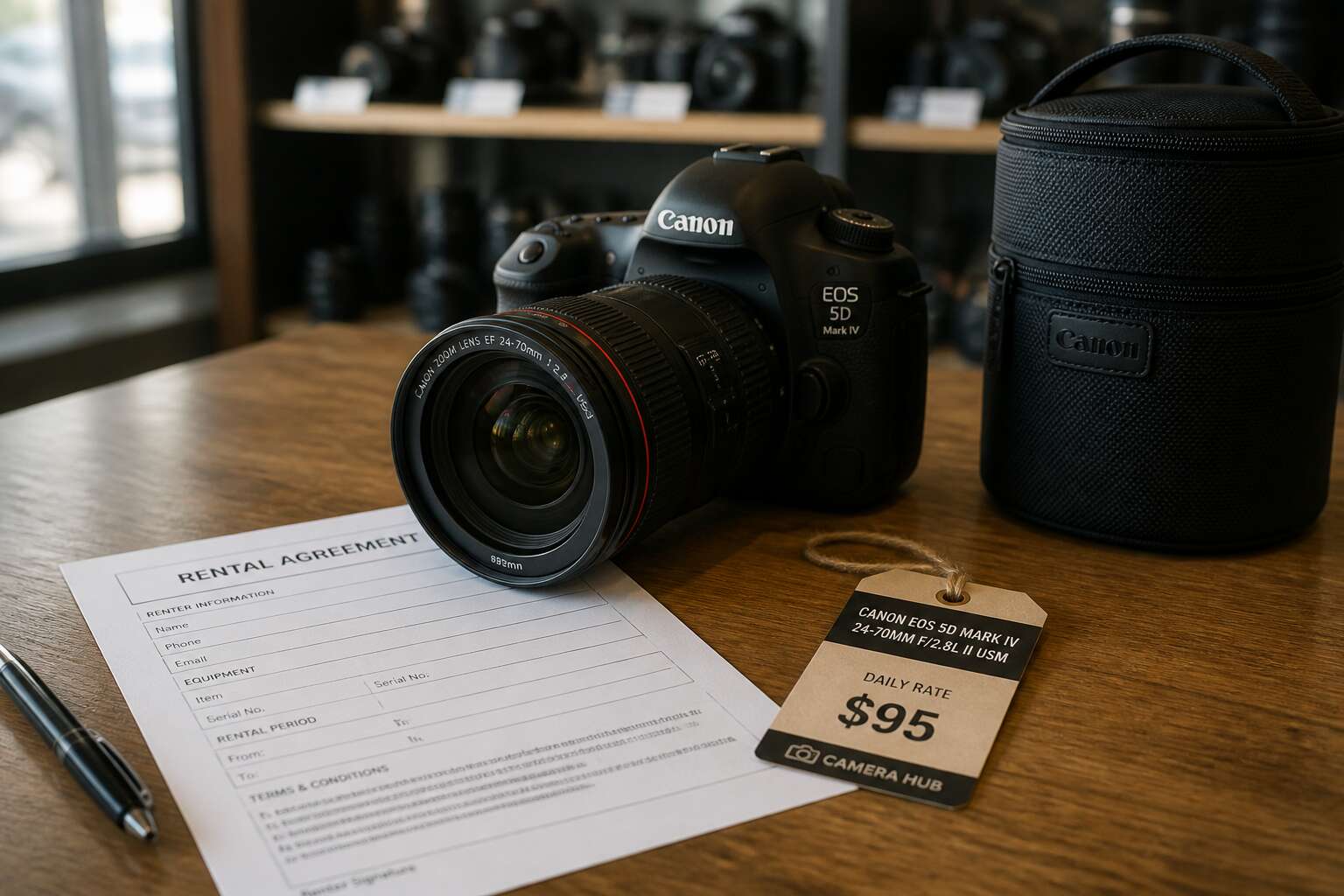
- Canon EOS 5D Mark IV, a workhorse for portraits and commercial shoots
- Nikon D850, which rewards landscape purists with dense detail
- Pentax K-1 II, sealed against coastal mist and Karoo dust
Video shooters often drift toward mirrorless, yet the optical viewfinder remains a tactile pleasure. For fast-moving events, choose a dslr camera for rent with the most durable shutter assembly. The rental house’s inventory shifts weekly, so confirm actual availability before booking. A body that fits your grip and muscle memory beats any spec sheet claim. That is the practical decision.
Matching Lenses to Your Camera Body
A lens outlives every body it sits on. That fact should shape your rental decision. When choosing a dslr camera for rent, ask which glass pairs with the body. A sharp prime on a modest frame beats a kit zoom on a flagship.
Match focal length to your distance and light. South African weddings often call for a 24-70mm. Wildlife demands reach. Interior shots need wide angles. The rental house can bundle lenses, but verify mount compatibility before you book.
- Prime lenses deliver speed and sharpness
- Zoom lenses offer flexibility
- Tilt-shift lenses correct perspective
I have watched too many renters fixate on the body and ignore the lens. Your subject dictates the glass. The body merely records what the lens captures. Choose both with equal care.
Understanding Rental Costs and Booking Terms
Breaking Down Daily, Weekly, and Monthly Rates
The cost of a dslr camera for rent in South Africa is less intimidating than most expect. Daily rates start around R350 for entry level bodies and climb past R900 for professional gear. Weekly pricing usually shaves 20 percent off the daily rate. Monthly pricing can cut the total by half, making longer shoots far more economical.
Booking terms deserve attention before you commit. Most rental houses in Johannesburg and Cape Town require a refundable deposit equal to the insured value. Some ask for ID and proof of residence. Others accept credit card pre-authorisations.
Typical booking requirements include:
– A valid South African ID or passport
– A refundable security deposit
– Proof of insurance or a signed waiver
– A booking confirmation 48 hours in advance
The daily rate might look small, but the deposit can tie up your cash. I always check whether the deposit returns via EFT or cash on return, because that timing varies. Before booking a dslr camera for rent, confirm the cancellation policy too, since last minute changes happen on every shoot.
Security Deposits and Insurance Options
Security deposits for a dslr camera for rent often equal the insured value, not the rental fee. That means you could have R50,000 held on your card for a weekend shoot. Most houses accept EFT, cash, or credit card pre-authorisation. Each method has different release times, so ask before you book. I always confirm whether the deposit returns the same day or takes a week.
Insurance options vary. Some rental companies include basic cover in the daily rate. Others require you to sign a waiver accepting full liability. If you have your own equipment insurance, check whether it extends to rentals. That simple step can save you from paying for accidental damage out of pocket.
- Ask if the deposit is refundable and how long it takes
- Confirm whether the quoted rate for a dslr camera for rent includes insurance
- Check if your personal policy covers rental gear
Hidden Fees: Late Returns, Damage, and Cleaning
The quoted rate for a dslr camera for rent rarely ends there. Late returns, damage assessments, and cleaning fees can add hundreds to your final bill. Most rental houses charge an hourly penalty, so returning thirty minutes late often costs a full day’s rate. That pressure to rush back can also cause careless handling, which creates another cost entirely.
Damage fees depend on the assessor’s eye. A tiny scratch on the body or smudges on the front element may be flagged as your fault, even if they arrived that way. Cleaning fees appear separately for sensor dust or lens grime, and houses rarely waive them. The contract holds the answers, but you must look before signing.
- Ask for the exact late fee per hour.
- Confirm whether cleaning is included in the daily rate.
- Request a written condition checklist before you take the gear.
Booking terms should name every possible charge. A dslr camera for rent with a low daily price may hide steep penalties in the fine print. Read each line, then ask what happens if the unexpected occurs.
How to Budget for Your Rental
Booking terms for a dslr camera for rent often include a payment schedule that surprises newcomers. The deposit might be due immediately, while the balance falls due exactly one week before pickup. I have seen budget plans collapse because someone only saved the daily rate.
To build a real budget, list every cost that appears on the booking form. Insurance, delivery, and a technician’s time can appear as line items. The daily price is one number, but the total paid is another.
- Check whether the booking term includes a grace period for pickup.
- Ask if a public holiday counts as a standard day.
- Confirm if the deposit is applied to the final bill.
These details decide what your rental actually costs.
Discounts for Extended Rentals or Bundled Gear
Renting a dslr camera for rent for a single day carries a premium. The real savings appear when you stretch the booking. Extended rental discounts often reduce the daily rate by 30% or more. A five day shoot costs less than two weekend days. Bundled gear follows the same logic. Add a second lens or a lighting kit, and the total package price drops. Some houses offer free delivery on multi day contracts. Let me tell you, that changes the math quickly.
Here is what I typically see on booking forms:
- 10% off for three day bookings
- 20% off for weekly rentals
- Free lens when you book a body for five days
Terms vary, but the principle holds. Longer commitments always reduce your final bill.
Where to Rent DSLRs and What to Verify
Local Camera Shops vs Online Rental Services
The best dslr camera for rent in South Africa might be sitting in a dusty display case or hiding in a warehouse you will never visit. Local camera shops offer the tactile advantage: you can grip the body, test the shutter, and interrogate a human being about autofocus quirks. Online rental services often boast bigger inventories and sharper prices, but you are betting on a courier’s careful hands and a website’s accurate description.
Before you hand over your ID and deposit, verify a few essentials:
- Confirm the shutter count and sensor cleanliness.
- Ask about the exact lens mount and included accessories.
- Read the damage policy for water and sand, because Cape Town weather respects no one.
Local shops let you walk out with the gear and return it in person, which feels safer. Online services may ship nationwide, but they demand you box everything perfectly for the journey home. Both routes work. Just know which failure mode you can tolerate before you commit your money and your weekend.
Checking Rental Inventory and Availability
Every popular body in Johannesburg gets booked for the same weekend. Checking rental inventory and availability demands more than a glance at a website. Call the shop directly and ask for the actual unit, not a category. Many rental houses list equipment they do not physically own, relying on third parties. I learned this the hard way when a promised lens arrived with a different mount. Availability fluctuates daily, so verify these details before booking:
– Confirm the exact body model and its firmware version.
– Ask how many units are in stock and whether backups exist.
– Check if the rental period includes transit days for online orders.
A dslr camera for rent only exists if the inventory system matches reality. Trust the stock confirmation email, but also request a photo of the gear with today’s date. This saves you from a wasted journey!
Reading Rental Agreements Carefully
In the bustling corridors of Johannesburg’s photographic community, the true test of a rental house lies not in its glass displays, but in the fine print that accompanies each handover. The path to securing a dslr camera for rent is strewn with contracts that vary wildly in their terms, and reading them carefully is your final line of defence against unexpected financial hits.
Reputable shops in Braamfontein and Sandton typically present agreements that are straightforward, yet they often bury critical clauses in dense legal language. Before you sign anything, scrutinise the sections detailing wear and tear versus accidental damage. A scratch on the body might be considered normal use by one establishment, while another could bill you for a full replacement. The distinction is worth thousands of rand.
Consider the specific language used to describe the condition of the equipment. Look for any mention of pre-existing issues, such as minor sensor dust or a stiff mode dial, and ensure these are documented. This protects you from paying for pre-existing faults when you return the unit.
– Confirm the exact replacement value of the gear you are holding.
– Verify the process for reporting faults during your rental period.
– Ask about the shop’s policy on firmware updates or accidental format errors.
Taking a few minutes to read these documents with clear eyes transforms a potential financial headache into a manageable transaction. After all, a dslr camera for rent is only as good as the contract that protects both you and the gear, ensuring your creative project in South Africa proceeds without unnecessary friction.
Verifying the Camera’s Condition Before You Leave
Johannesburg’s rental counters, from Braamfontein to Sandton, each have their own quirks. When you settle on a dslr camera for rent, the real work begins at the counter, before the memory card goes in.
Turn the unit over. Check the shutter count if allowed, inspect the lens mount for scratches, and test every button. A high ISO burst reveals stuck pixels better than any spec sheet. I always run through:
- Battery latch tension and charger contacts.
- Sensor cleanliness by shooting a white wall at f/16.
- Image stabilisation by half pressing the shutter.
Do not leave until the assistant notes any discrepancy in the rental form. A dslr camera for rent that looks fine under fluorescent lights can hide a sticky aperture ring. Bring your own body cap and a torch, because their lighting makes the gear look better than reality does.
Customer Reviews and Reputation
Where you book a dslr camera for rent matters as much as the gear itself. In Johannesburg, the rental market is tight. The established houses in Braamfontein and the newer outfits in Sandton all claim great service. Their reviews tell a different story.
I check Google ratings and photography forums. A shop with a 4.8 star score but complaints about deposit refunds is a red flag. Look for patterns, not outliers.
Here is what I verify before I pay:
– How long the shop has been operating
– Whether reviews mention specific camera models
– How they handle damage claims
A dslr camera for rent from a reputable house costs a bit more. That difference buys you a working shutter and a returnable deposit. Trust the reviewers who shoot professionally, not the tourists.
Shipping and Delivery Considerations for Online Rentals
The phrase “dslr camera for rent” used to mean visiting a physical counter, but online rentals now ship gear to your door. That convenience brings its own quirks. A camera bouncing around in a courier van for two days needs more than bubble wrap.
Before you click “book,” ask the rental house about their dispatch location. A shop in Cape Town sending to Pretoria might lose you a day of shooting. For tight deadlines, confirm overnight options exist.
Here is what I verify with every online rental order:
- Who covers return shipping costs?
- Is the camera insured during transit?
- Does the tracking number update in real time?
Inspect the packaging upon arrival. If the box looks like it lost a fight with a forklift, photograph it immediately. A reputable seller wants to know about damage before you touch the gear, not after.
Essential Gear to Complement Your Rental DSLR
Lenses: Prime vs Zoom Options
The dslr camera for rent in your bag is only half the story. The lens you choose, prime or zoom, dictates what you capture. But without the right supporting gear, even the sharpest lens fails.
Prime lenses deliver smooth background blur but force you to move your feet. Zoom lenses offer flexibility but often struggle in low light. Essential accessories prevent disaster. Pack a lens hood, a circular polarizer, and a backup battery. A quick list:
- Lens cleaning pen
- Step-up ring
- Monopod
Your scene decides the winner. A prime shines in dim interiors. A zoom handles fast-moving subjects. Pair the lens with the gear that matches your shooting style, and your rental becomes a triumph.
Memory Cards and Backup Storage Solutions
Memory cards store every frame you capture. A 64GB card holds roughly 800 RAW images, yet South Africa’s bright conditions often push photographers to shoot more. Your dslr camera for rent may include a single card slot, so carrying spares is wise. A card placed loose in a pocket can bend or collect dust. Invest in a weather-resistant case.
Backup storage needs speed and redundancy. Cloud uploads work well in cities, but rural locations frequently lack reliable signal. Offline methods remain the safer choice.
Pack these for peace of mind:
- A rugged portable drive
- A card reader with a short cable
- A second memory card, formatted in-camera
Never format a card before verifying its contents. That habit saves jobs, especially when your rental returns and the shop wipes everything clean.
Batteries, Chargers, and Power Management
One full battery barely covers a Cape Town sunrise shoot, let alone a full day in the Karoo. The rental body often arrives with a single lithium ion pack; power outlets vanish once you leave the urban grid. A dslr camera for rent should inspire confidence, not anxiety when the charge dips below half.
Carry at least two spares, preferably from the same brand as the rental body. When your dslr camera for rent uses a proprietary battery, third party cells can confuse its power monitoring. A dual bay charger beats a single battery wall plug.
Here is a practical list for power management:
- Two spare batteries, padded pouch
- A compact car charger
- A power bank with 18W output
Load shedding schedules force careful planning. Charge everything when the grid is stable! I keep my charger in the glovebox, not at home.
Tripods, Stabilizers, and Support Systems
The weight of a cinema lens and a full frame body becomes a tangible burden after forty minutes of handheld shooting. Your rented camera deserves a foundation that matches its potential. A flimsy tabletop tripod will betray you the moment the Cape Doctor begins to blow. Invest in a carbon fibre tripod with a robust ball head; the weight savings translate directly into less fatigue during long hikes to viewpoints like Chapman’s Peak.
A monopod offers a middle path for wedding receptions and crowded township festivals where tripod legs become a hazard. Gimbals remain essential for smooth tracking shots, though they demand practice and a willing back. The stabilisation inside a dslr camera for rent helps, but it cannot replace a properly balanced rig. When you collect your dslr camera for rent, check that the mounting plate fits snugly and the quick release mechanism operates cleanly. A wobbly plate will ruin every frame it touches.
– Carbon fibre tripod with a 10kg payload rating
– Arca Swiss compatible quick release plates
– A fluid head gimbal for video work
– Sandbags or a hook weight for gusty conditions
The terrain in the Karoo rewards the prepared shooter. Rocks shift, sand sinks, and wind gusts arrive without warning. A support system must be assembled with the same care you give to lens choice. Your footage will hold steady while others pack up early.
Filters and Other Must-Have Accessories
That steadiness extends to what sits in front of your sensor. The Cape sun is unforgiving, so pack a circular polariser for your dslr camera for rent. It removes reflections from wet roads and foliage, deepening saturation without editing. A variable neutral density filter allows wide apertures in midday glare, essential for coastal scenes where shutter speed control matters.
Other accessories deserve attention. A wireless remote release prevents vibration during long exposures. A sensor blower clears dust picked up on the Cederberg trails. A neoprene strap distributes weight during extended shoots on Table Mountain.
- Circular polariser sized to your rental lens
- Variable ND filter with at least 6 stops
- Air blower and microfibre cloth
Inspect the filter rings for dents before you accept the kit. A bent ring will bind and refuse to rotate. That flaw turns a simple accessory into a frustrating failure.
Avoiding Common Pitfalls in DSLR Rentals
Testing Your Gear Immediately After Pickup
Taking possession of a dslr camera for rent transfers responsibility the second handover happens. Testing your gear immediately after pickup is your safeguard against being blamed for existing faults. Do it before you drive away or accept the courier’s release.
Mount the lens and shoot frames at various shutter speeds. Inspect the sensor for dust using a small aperture. Cycle every mode dial and review images on a laptop, not only the rear LCD. The small screen hides many flaws.
Use a quick checklist before final acceptance:
- Format a test card and verify continuous write speeds
- Cycle all buttons, dials, and menu functions
- Test the flash hot shoe with a compatible unit
Natural light and artificial light reveal different sensor issues. A dslr camera for rent can look perfect in the viewfinder yet show banding or stuck pixels on a large monitor. Catching these at pickup prevents a costly dispute later.
Understanding Return Policies and Turnaround Times
Return policies often hide in plain sight within the rental agreement. A dslr camera for rent might come with a 24 hour grace period, but some South African rental houses count turnaround from business hours only. That Friday afternoon pickup becomes Monday morning return, and you pay for the weekend.
Real pitfalls emerge when timelines shift. Weather delays, extended shoots, or a client who needs reshoots push you past the agreed window. Rental houses charge hourly or daily overage rates, and their definition of a business day differs. Some count Saturdays, others do not.
- Return shipping labels that expire before the courier collects
- Cleaning fees for sand or dust from outdoor shoots
- Chargers and cables missing at handover
Turnaround time affects replacement gear. A dslr camera for rent returned late blocks the next booking, and tight back to back slots leave no room for inspection delays. A previous renter’s return becomes your pickup moment, so delays cascade.
Troubleshooting Common Issues Before You Call Support
Nothing stalls a production like gear that will not cooperate. Before you call the rental house, check the simple fixes. A locked memory card slot, a dirty lens contact, or a battery that never charged fully often looks like a serious fault. I have watched shooters lose an hour to a flipped switch.
Start with the obvious. The switch on the side of the memory card. The orientation of the battery. The menu settings after a previous user changed everything. In South Africa, load shedding can leave chargers short of a full cycle, so confirm every battery actually holds power before you head out.
- Test the lens mount with a firm twist
- Format the memory card inside the camera body
- Reset to factory defaults if the menu is scrambled
A dslr camera for rent usually returns to normal with these small steps. Troubleshooting before you call saves hours. Your schedule stays intact, and the rental house can focus on genuine problems.
Extending Your Rental Period Smoothly
Extending a rental period feels simple until the gear becomes someone else’s booking. When you know you need more time, call the rental house before the scheduled return. Most shops will arrange an extension if the calendar allows, but silence creates assumptions. If you plan to keep the dslr camera for rent beyond your term, you also risk interrupting another shoot.
A few steps make the process smoother:
– Confirm whether the camera is already reserved after your date
– Ask about extension rates before the final day
– Get the new return time in writing
The pitfall is thinking flexibility belongs to you. A rental house must honor its queue. Treat the extension as a fresh negotiation, not an indulgence. That approach keeps your production moving and the dslr camera for rent available when you actually need it.
What to Do If You Damage the Equipment
Accidents happen! When that dslr camera for rent takes a knock, your first instinct might be to hide it. Resist that. Rental houses inspect every return, and the damage will surface.
Contact the supplier immediately. Explain what occurred. Most contracts require this. Then follow their process. I have seen renters lose deposits by staying silent. Document the damage with photos and time stamps, check your rental agreement for liability clauses, and ask about repair costs versus replacement value.
Own the mistake without panic. The deposit exists for this moment. A transparent conversation protects your reputation for future rentals.
0 Comments