
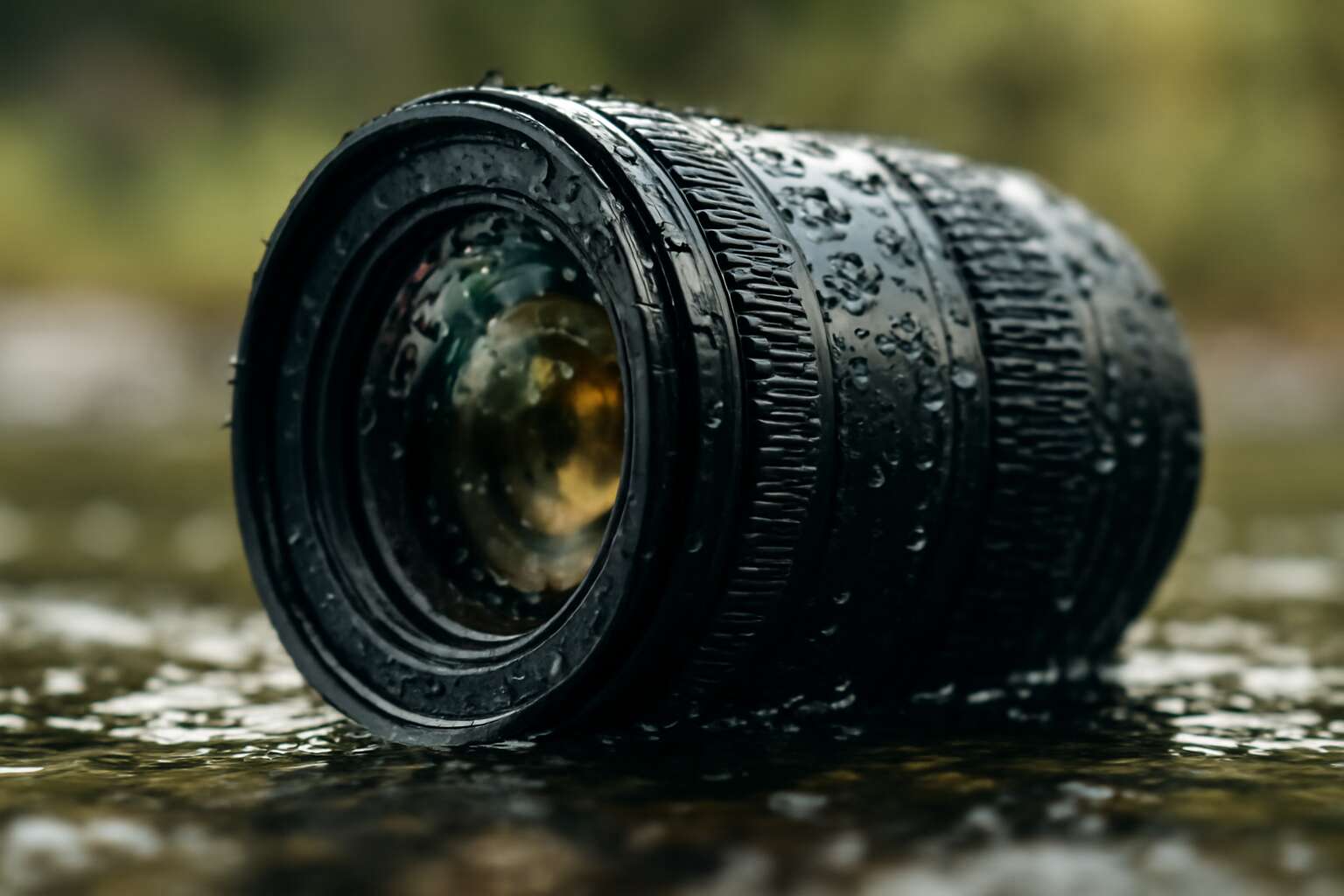
Understanding Camera Lens Waterproofing
What Does Waterproof Mean for Camera Lenses?
When pondering whether or not your prized camera lens can withstand a sudden downpour or a splash from the ocean, understanding what “waterproof” truly signifies becomes paramount. It’s tempting to assume that all camera lenses are equally resilient, but the reality is far more nuanced. Waterproofing a camera lens isn’t merely about shielding it from rain; it’s a sophisticated process that involves sealing out moisture, dust, and even humidity, ensuring flawless performance in unpredictable environments.
In the realm of photography, the question “are camera lenses waterproof?” is often met with a cautious nod. Generally, most lenses are not fully waterproof but are instead water-resistant to a certain degree. This distinction is crucial—water-resistant lenses can handle splashes and light rain, but they are not designed for prolonged submersion or heavy downpours. For those venturing into wet conditions, understanding the meaning of waterproof in relation to camera lenses can save you from costly mishaps.
To clarify, waterproofing involves specific features such as O-ring seals and specialized coatings, which bolster the lens against water ingress. It’s worth noting that:
- Waterproof lenses are tested to withstand immersion in water up to a certain depth and duration.
- Water-resistant lenses offer protection primarily against splashes and light rain but are not suitable for submersion.
Ultimately, knowing whether your camera lens is waterproof helps you prepare better for outdoor adventures—be it a safari in South Africa or a coastal shoot—ensuring your equipment remains as pristine as your photographic vision. The key lies in understanding the subtle yet significant difference between being water-resistant and truly waterproof—knowledge that every serious photographer should keep in mind when venturing into nature’s unpredictable elements.
Different Levels of Waterproofing and Resistance
Understanding the waterproofing of camera lenses isn’t just about whether they can survive a splash; it’s about grasping the nuanced levels of protection offered. Some lenses are built with a robust barrier that can handle a quick dip or a sudden rainstorm, while others are more like a delicate umbrella—useful but not foolproof. The difference lies in the engineering behind the lens, which can range from modest water resistance to full-blown waterproofing.
Water-resistant lenses typically employ sealing gaskets and special coatings that fend off moisture and dust, but they aren’t designed for prolonged water immersion. Conversely, genuinely waterproof lenses undergo rigorous testing—often submerged in water for specific durations and depths. It’s worth noting that the key to choosing the right lens hinges on understanding these distinctions, especially if you’re planning to shoot in South Africa’s unpredictable weather or near the coast.
For those curious about the specifics, here’s a quick peek at the levels of waterproofing and resistance:
- Water-resistant lenses: Light rain and splashes are no problem, but don’t go swimming with them.
- Waterproof lenses: Capable of handling immersion in water up to a certain depth and duration, perfect for aquatic adventures.
So, are camera lenses waterproof? The answer depends on your adventure’s demands—and your willingness to push the boundaries of what your gear can handle without turning it into a soggy paperweight.
Common Waterproofing Standards (IP Ratings)
When exploring whether are camera lenses waterproof, understanding waterproofing standards is essential. The industry primarily relies on the IP (Ingress Protection) rating system—an internationally recognized benchmark—that gauges a lens’s ability to withstand moisture, dust, and water ingress. This numerical code, often seen as IP67 or IP68, offers a glimpse into the lens’s resilience under specific conditions.
For example, an IP68 rating indicates that a lens can endure continuous immersion in water beyond one meter depth, making it suitable for aquatic environments or unpredictable South African weather. Conversely, IP67 lenses are protected against temporary water immersion, ideal for light rain or splashes during coastal adventures.
- IP65: Dust tight and protected against water jets
- IP68: Fully submerged and dust tight
Understanding these standards helps photographers and explorers alike to select gear that aligns with their adventurous spirit—whether capturing wildlife in rainforests or shooting along rugged coastlines. The question of are camera lenses waterproof becomes less about absolutes and more about matching the right level of protection to your journey’s demands.
Are Camera Lenses Waterproof by Design?
Built-in Waterproof Camera Lenses
When pondering whether are camera lenses waterproof, the answer isn’t a straightforward yes or no. Most lenses aren’t inherently built to withstand a splash or a sudden downpour—think of them more as delicate flowers than amphibious creatures. However, some manufacturers have stepped up their game, designing lenses with built-in waterproof features that can handle a bit of aquatic adventure. These lenses often sport sealed housings, specialized gaskets, or hydrophobic coatings that repel water and dirt, making them more resilient than your average glass.
While they aren’t completely indestructible, these built-in waterproof camera lenses offer a surprising amount of protection. They’re perfect for capturing South Africa’s unpredictable weather or diving into the deep end of underwater photography. For those who crave versatility without lugging around bulky housings, these lenses are a game-changer. Just remember, even the most waterproof lens isn’t invincible—so, don’t go testing its limits with a cannonball!
Types of Cameras with Waterproof Lenses (DSLRs, Mirrorless, Compact)
When it comes to the question “are camera lenses waterproof by design,” the answer varies significantly depending on the type of camera and its intended use. Many photographers wonder whether they can rely on their gear amidst South Africa’s unpredictable weather or while exploring underwater landscapes. The truth is, most standard lenses are not inherently waterproof. They are crafted with delicate glass elements and intricate mechanisms that require protection from moisture and dirt. However, some specialized cameras and lenses are engineered with waterproof features that extend their usability into wetter environments.
For instance, many professional DSLR and mirrorless cameras are compatible with waterproof lenses designed explicitly for rugged conditions. These lenses often incorporate sealed housings and hydrophobic coatings, which repel water and prevent damage from splashes or light rain. Compact cameras, on the other hand, tend to focus on portability and ease of use, sometimes offering built-in waterproof capabilities. But even within these categories, the level of waterproofing varies greatly.
- Some lenses boast an IP67 or IP68 rating, indicating they can withstand immersion for a specified period.
Ensuring you have the right lens depends on your specific shooting environment and risk tolerance.
In essence, whether you’re capturing wildlife in South Africa’s savannas or diving into the ocean’s depths, understanding the waterproof nature of your camera and its lenses is crucial. Not all are camera lenses waterproof, but with careful selection, you can find gear that meets your adventurous needs without sacrificing image quality. It’s a fine balance—embracing the wild outdoors while safeguarding your equipment from nature’s unpredictable temperament!
Are Standard Lenses Waterproof or Water-Resistant?
The question of whether camera lenses are waterproof by design is a common concern for adventurous photographers navigating South Africa’s diverse landscapes. Most standard lenses are not inherently waterproof. They are delicate instruments, crafted with glass elements and intricate mechanisms that are vulnerable to moisture, dirt, and dust. Exposure to rain or splashes can compromise their performance, which underscores the importance of understanding the difference between water-resistant and waterproof gear.
Some specialized lenses, especially those used by professionals in rugged conditions, feature built-in waterproofing elements. These lenses often incorporate sealed housings and hydrophobic coatings that repel water, making them suitable for certain wet environments. For everyday photographers, however, it’s more typical to rely on external protective measures, like lens covers or housings, to safeguard against water damage.
Whether you’re capturing wildlife on the savannas or exploring coastal waters, knowing if your gear is truly waterproof is essential. Remember, not all camera lenses are waterproof, but choosing equipment with high IP ratings or investing in dedicated waterproof lenses ensures your photography remains uninterrupted by South Africa’s unpredictable weather. Embracing the wild outdoors demands gear that can withstand nature’s temperamental temperament, without sacrificing image quality or risking equipment failure.
Factors Affecting Water Resistance of Camera Lenses
Lens Materials and Construction
Understanding the factors that influence the water resistance of camera lenses is crucial for photographers venturing into unpredictable weather or aquatic environments. At the heart of a lens’s water resistance lies the choice of lens materials and construction techniques. High-quality optical glass combined with protective coatings can significantly enhance a lens’s ability to repel water and resist corrosion. Additionally, the construction of the lens body—featuring sealed seams and gaskets—creates an extra layer of defense against moisture ingress.
While some might assume all camera lenses are inherently waterproof, this isn’t the case. Many standard lenses are designed with water resistance in mind, but they are not fully waterproof. For those seeking peace of mind in wet conditions, understanding the specific construction elements that contribute to water resistance is essential. Manufacturers often employ materials like rubberized seals and corrosion-resistant metals, which work together to maintain the integrity of the lens in damp environments.
- Sealed lens barrels prevent water from seeping through joints and gaps.
- Protective coatings applied to glass surfaces repel water droplets and reduce smudging.
- Use of corrosion-resistant metals ensures longevity even in humid, salty air.
Ultimately, the water resistance of a camera lens hinges on a combination of these factors, making it vital for photographers to select lenses with construction and materials suited to their adventure’s demands. Whether you’re capturing coastal landscapes or rainy cityscapes, knowing the nuances of lens materials and construction can make all the difference when asking, are camera lenses waterproof?
Sealing Techniques and Gaskets
When it comes to protecting your camera gear in South Africa’s unpredictable weather, understanding the role of sealing techniques and gaskets is essential. These tiny yet mighty features act as the first line of defense, preventing moisture from sneaking into delicate lens internals. High-quality seals—made from rubber or silicone—are meticulously fitted around joints, switches, and zoom rings, creating an impermeable barrier against water ingress.
Sealed lens barrels are designed with precision to ensure that no gap remains unprotected, even when faced with the coastal mists or sudden downpours common in our diverse landscapes.
- Seals around the lens mount
- Gaskets at the zoom and focus rings
- Waterproofing of internal components
These elements work in unison to enhance water resistance, but it’s important to remember: not all lenses are inherently waterproof, only resistant. Knowing how these sealing techniques contribute to a lens’s ability to withstand wet conditions can make a real difference when asking, are camera lenses waterproof? It’s the careful craftsmanship behind these features that often determines whether your lens can brave the elements alongside you.
Lens Coatings and Protection Layers
While many assume that all camera lenses are waterproof, the reality is more nuanced. The water resistance of a lens hinges significantly on its coatings and protection layers. Modern lenses often feature specialized coatings designed to repel water, dirt, and smudges, safeguarding the internal elements from moisture infiltration. These coatings—applied at a microscopic level—create a hydrophobic barrier that causes water droplets to bead and roll off, reducing the risk of water damage.
Furthermore, some lenses incorporate additional protection layers, such as fluorine or anti-reflective coatings, which enhance durability against environmental challenges. These layers not only improve image quality but also bolster resistance against water ingress, especially when combined with sealing techniques and gaskets. It’s important to recognize that the effectiveness of these protective layers can vary depending on the quality of application and the manufacturer’s standards.
In the context of South Africa’s diverse climate, where sudden rain showers and coastal mists are common, understanding these factors can make all the difference. Ultimately, knowing whether a lens is truly waterproof or simply water-resistant involves evaluating these coatings and protection layers, alongside other sealing features. It’s the meticulous craftsmanship behind these details that often determines if your camera gear can handle the unpredictable elements with confidence!
Wear and Tear Impact on Waterproofing
Over time, even the most advanced waterproof camera lenses can succumb to the relentless forces of nature. Wear and tear, especially in South Africa’s unpredictable climate, can compromise the integrity of protective layers and sealing techniques. Exposure to harsh elements—sand, salt, and humidity—gradually erodes the microscopic coatings designed to repel water, leaving lenses more vulnerable to moisture penetration. This deterioration isn’t always immediately visible, but it can significantly diminish the water resistance of your gear.
Understanding how these factors impact the longevity of waterproofing is crucial. For instance, frequent cleaning with abrasive materials or exposure to extreme temperature fluctuations can weaken seals and damage protective layers. It’s worth noting that some high-end lenses feature layered protection, but even these are not immune to the effects of prolonged exposure or rough handling. The key lies in recognizing the signs of degradation and maintaining your equipment diligently to preserve its water-resistant qualities.
- Regular inspection of seals and gaskets
- Gentle cleaning methods to prevent coating damage
- Storing lenses in controlled environments when not in use
In the end, the question remains—are camera lenses waterproof? The answer often depends on the lens’s age, maintenance, and the environmental conditions it faces. Even a meticulously crafted lens can lose its waterproof properties if subjected to relentless wear and tear, emphasizing the importance of understanding the limits of your gear’s protective capabilities in South Africa’s diverse landscape.
How to Protect Camera Lenses in Wet Conditions
Using Waterproof Cases and Housings
In the realm of capturing life’s fleeting moments, safeguarding your camera lenses in wet conditions can make all the difference. Waterproof cases and housings serve as a resilient barrier, shielding delicate glass from the relentless assault of rain, spray, or mist. These protective enclosures are meticulously designed to withstand the elements, allowing photographers to pursue their passion even amidst tempestuous weather.
Using waterproof cases not only preserves the integrity of your camera lenses but also ensures uninterrupted creativity. When selecting a waterproof housing, consider these vital features:
- Secure sealing mechanisms to prevent water ingress
- Durable materials that resist corrosion and wear
- Transparent, high-quality glass for clear optics
By investing in robust waterproof cases, photographers embrace the unpredictability of nature, transforming challenges into opportunities. After all, in the dance between art and environment, the right protection can turn a fleeting moment into a timeless memory—no matter how wet the journey gets.
Applying Protective Filters and Covers
In the relentless pursuit of capturing life’s ephemeral beauty, one often underestimates the capricious nature of weather—yet, a striking 70% of outdoor photography sessions are hindered by moisture or unexpected downpours. When contemplating whether are camera lenses waterproof, it’s essential to recognize that mere water resistance isn’t enough; proactive protection becomes paramount. Applying protective filters and covers offers an elegant, immediate line of defense against the caprice of rain, spray, or mist, which threaten to compromise your lens’s clarity and functionality.
To bolster your defenses, consider the strategic use of high-quality, waterproof filters that act as sacrificial barriers—absorbing the brunt of environmental assault while preserving your lens’s integrity. Coupled with sturdy lens covers, these accessories serve as an additional safeguard during sudden showers or when navigating tricky terrain. Remember, even the most advanced camera lenses are not waterproof in the traditional sense; thus, layering protection with filters and covers is often the difference between a ruined shot and a masterpiece frozen in time.
For those venturing into unpredictable conditions, a simple layered approach can be remarkably effective. Here’s a quick rundown:
- Apply a waterproof filter to shield the front element from water droplets and dirt.
- Use a lens cover or hood to prevent direct exposure when not actively shooting.
- Keep a microfiber cloth handy to quickly wipe away moisture or grime for optimal clarity.
In environments where wet conditions are inevitable, these strategies transform the challenge of are camera lenses waterproof into an opportunity—allowing photographers to focus on the moment, not the mess. As rain or spray dances across your viewfinder, remember: protection isn’t just an accessory; it’s an essential mindset that empowers you to chase the extraordinary, no matter how wet the journey gets!
Proper Maintenance and Cleaning
Wet conditions can turn a beautiful outdoor shoot into a soggy ordeal if proper maintenance and cleaning aren’t part of your routine. Even if your camera lens isn’t explicitly waterproof, moisture and dirt can slowly erode its clarity and functionality over time. Regularly inspecting your lens for smudges, water droplets, and grime is essential to keep images crisp and clear.
One of the most effective ways to safeguard your gear is to carry a microfiber cloth—an unsung hero in the world of photography protection. A quick wipe can prevent water spots from drying into stubborn stains that compromise image quality. For stubborn dirt or salt spray, gently cleaning with a lens cleaning solution ensures your lens remains pristine without scratching its delicate coatings.
Remember, when it comes to maintaining your camera lens in wet environments, a disciplined approach is key. Implementing a routine of careful cleaning and storage—preferably in a dry, temperature-controlled environment—preserves not just the lens’s waterproofing but also its overall performance. This mindful maintenance transforms potential hazards into opportunities for stunning, moisture-free captures, wherever adventure takes you!
Best Practices for Shooting in Rain or Humid Environments
In the unpredictable embrace of rain or humidity, capturing the essence of a moment requires more than just skill—it demands foresight. When you ask, “are camera lenses waterproof?” the answer influences your entire approach to outdoor photography. Wet conditions threaten to turn a pristine shot into a muddled memory, yet with intentional practices, you can safeguard your gear and preserve the integrity of your images.
One of the most effective methods to protect your camera lenses in wet environments is to use protective accessories designed specifically for moisture. Protective filters and covers act as a first line of defense, shielding the lens surface from water droplets and salt spray. Additionally, employing a camera rain cover or housing creates a barrier that keeps moisture at bay, allowing you to shoot confidently even in relentless downpours.
- Before heading out, assess the environment—humid air often carries unseen risks for lens fogging and condensation.
- Keep a microfiber cloth handy to wipe away water droplets gently, preventing water spots from drying into stubborn stains.
- Consider carrying silica gel packets or desiccants to absorb excess moisture within your camera bag, maintaining an optimal environment for your gear.
Ultimately, understanding how to protect camera lenses in wet conditions involves more than just equipment; it’s a mindset rooted in respect for nature’s power. When you contemplate whether your camera lenses are waterproof, remember that proactive measures and thoughtful preparation are essential. In the end, it’s this careful vigilance that transforms fleeting, rain-soaked moments into timeless images—without compromise or regret.
Are Specialized Waterproof Lenses Worth It?
Pros and Cons of Waterproof Lenses
When it comes to capturing moments that defy the elements, many wonder, are camera lenses waterproof? The truth is, specialized waterproof lenses can be a game-changer for adventurers. They offer peace of mind when shooting in unpredictable weather or near water bodies. However, they come with their own set of pros and cons that merit careful consideration.
On the flip side, waterproof lenses tend to be pricier and sometimes heavier, impacting portability and ease of use. While they excel in wet environments, they may not provide the same optical clarity or versatility as standard lenses. For those who frequently shoot in challenging conditions, investing in a waterproof lens might be worth it. But for casual photographers, a good waterproof case or protective filter could suffice.
Ultimately, whether waterproof lenses are worth it hinges on your specific needs. If your work or hobbies demand rugged equipment, these lenses could be a worthwhile investment. Conversely, for occasional use, exploring other protective solutions might be more practical. The decision depends on balancing durability with budget and photographic goals.
Cost Considerations
When considering whether to invest in specialized waterproof lenses, cost is often the deciding factor. These lenses are not only crafted with rugged durability in mind but also come with a hefty price tag that can make even seasoned photographers pause. For those who chase after elusive wildlife or capture the raw beauty of South Africa’s coastlines, the investment might seem justified. Yet, for casual shooters, the expense can feel prohibitive.
It’s important to weigh the benefits against the investment. Waterproof lenses tend to be more expensive because they require advanced sealing techniques and high-quality materials to withstand the elements. They are also often heavier, impacting portability during long treks or adventure shoots. If your photographic pursuits demand frequent exposure to rain, spray, or humid environments, then these lenses could be a worthwhile purchase. However, if your photography is occasional, alternatives like waterproof cases or protective filters might deliver sufficient protection at a fraction of the cost.
- Assess your shooting environment
- Balance your budget with your photographic needs
- Consider long-term durability versus upfront expense
Ultimately, whether are camera lenses waterproof is a question rooted in your specific needs and the adventures you seek. For rugged expeditions or extreme weather conditions, the tailored resilience of waterproof lenses can be invaluable. For more casual photography, exploring cost-effective protective solutions may be the wiser choice—proving that sometimes, the best gear isn’t always the most expensive.
Ideal Scenarios for Waterproof Lenses
In the shadowed realm of photography, the question of whether a lens is truly waterproof lingers like a specter haunting every adventurer’s mind. Are camera lenses waterproof? For those venturing into South Africa’s rugged coastlines or mist-laden jungles, the answer can determine the very fate of their images. Waterproof lenses are crafted with a meticulous precision that often surpasses standard equipment, designed to brave the relentless assault of rain, spray, and humid environments.
Ideal scenarios for waterproof lenses are found in extreme conditions—wildlife safaris, underwater excursions, or storm-chasing expeditions—where exposure to the elements is inevitable. In these settings, the resilience of a waterproof lens ensures that nature’s fury does not drown out the photographer’s vision. Yet, for more casual pursuits, alternatives like waterproof cases or protective filters can offer sufficient safeguard without the weighty investment. The choice hinges on the intensity of your adventures and the durability you demand from your gear.
Brand and Model Recommendations
When it comes to capturing the wild beauty of South Africa’s rugged landscapes, the question of whether are camera lenses waterproof often feels like a game of chance. Enter specialized waterproof lenses—worth every rand if you’re an adventure junkie who refuses to let rain or spray spoil your shot. These lenses aren’t just a luxury; they’re a necessity for those who seek reliability in extreme conditions. With advancements in lens technology, brands now offer options that withstand humidity, dust, and even accidental dunking, making them invaluable for underwater shoots or storm-chasing escapades.
But are these specialized lenses worth the investment? The answer depends on how much you value your gear and your images. For hardcore adventurers, brands like Nikon, Canon, and Sony produce models with built-in waterproofing that can handle South Africa’s unpredictable weather. Popular models include the Nikon AF-S NIKKOR 14-24mm f/2.8G ED or Sony’s FE 16-35mm f/2.8 GM, both designed to brave the elements without fuss. If your photography involves frequent exposure to rain, salt spray, or humidity, then yes, these lenses can be a game-changer, ensuring your creative vision isn’t washed away by nature’s tantrums.
While they come at a premium, investing in a waterproof lens often saves money in the long run—no more costly repairs or missed shots due to moisture damage. For those on a tighter budget, there are also excellent alternatives, such as waterproof camera housings or protective filters, which can provide a decent barrier against the elements. Ultimately, whether are camera lenses waterproof is a question that hinges on your adventure’s intensity and your desire for durability. But if you’re planning to chase storms or dive into underwater realms, a specialized waterproof lens might just be your best bet—turning soggy setbacks into stunning shots!
Common Myths and Truths About Waterproof Camera Lenses
Are All Weatherproof Lenses Fully Waterproof?
Many believe that all weatherproof lenses are inherently waterproof, but this is a common misconception. Not all weatherproof lenses are fully waterproof; some are merely water-resistant, meaning they can handle light rain or splashes but aren’t designed for prolonged immersion. This distinction is crucial for photographers who venture into unpredictable environments, especially in South Africa’s diverse climate zones.
Understanding the difference is vital: fully waterproof camera lenses are engineered with advanced sealing techniques and gaskets that prevent water ingress even when submerged. In contrast, many weatherproof lenses provide a barrier against moisture and dust but lack the necessary features to withstand complete immersion. Always check the IP rating and manufacturer specifications—these details reveal whether a lens is truly waterproof or just resistant.
So, are camera lenses waterproof? The answer depends on the lens’s build quality and intended use. While some specialized lenses cater to underwater photography, most standard lenses require additional protective gear if you plan to shoot in wet conditions. To truly safeguard your gear, consider whether your lens is designed for full waterproof performance or if supplementary waterproof housing is needed. This knowledge can make all the difference when capturing South Africa’s breathtaking landscapes in challenging weather.
Can Waterproof Lenses Be Used Underwater?
There’s a common myth floating around like a stubborn cloud: that if a camera lens is labeled weatherproof, it must be waterproof. Not quite! The truth is, many so-called waterproof lenses are actually just water-resistant, meaning they can handle a drizzle or splash but aren’t built for full immersion. Confusing the two can turn a pleasant shoot into a soggy disaster, especially in South Africa’s unpredictable weather.
Can waterproof lenses be used underwater? The short answer is: yes, but with caveats. Most standard waterproof lenses are designed for shallow depths and limited durations. For serious underwater adventures, specialized lenses or waterproof housings are essential. Think of it like trying to swim with a snorkel versus a full diving setup — the gear must match the environment! Remember, true waterproof camera lenses are engineered with advanced sealing techniques that prevent water ingress even when submerged, but they aren’t invincible. Always check the IP rating and manufacturer specifications before taking your gear for a dip.
Longevity of Waterproofing
While many assume that a camera lens labeled as weatherproof is capable of enduring underwater adventures, the reality is more nuanced. There’s a common myth that waterproof lenses can be dunked without consequence—this simply isn’t true. In truth, most waterproof camera lenses are designed for limited exposure, such as splashes or brief immersions, not prolonged underwater use. The durability of waterproofing varies significantly, making it crucial to understand the longevity of these seals. Over time, exposure to saltwater, humidity, and rough handling can weaken waterproof seals, reducing their effectiveness.
For those venturing into deeper or more demanding aquatic environments, specialized underwater lenses or waterproof housings are the real heroes. Remember, even the most advanced waterproof camera lenses require proper maintenance and inspection to ensure their integrity. A little knowledge can turn your photographic pursuits in South Africa’s spectacular waters into breathtaking memories rather than soggy mishaps. So, ask yourself: are camera lenses waterproof enough for your adventure, or is it time to invest in the right gear for your underwater explorations?
0 Comments