
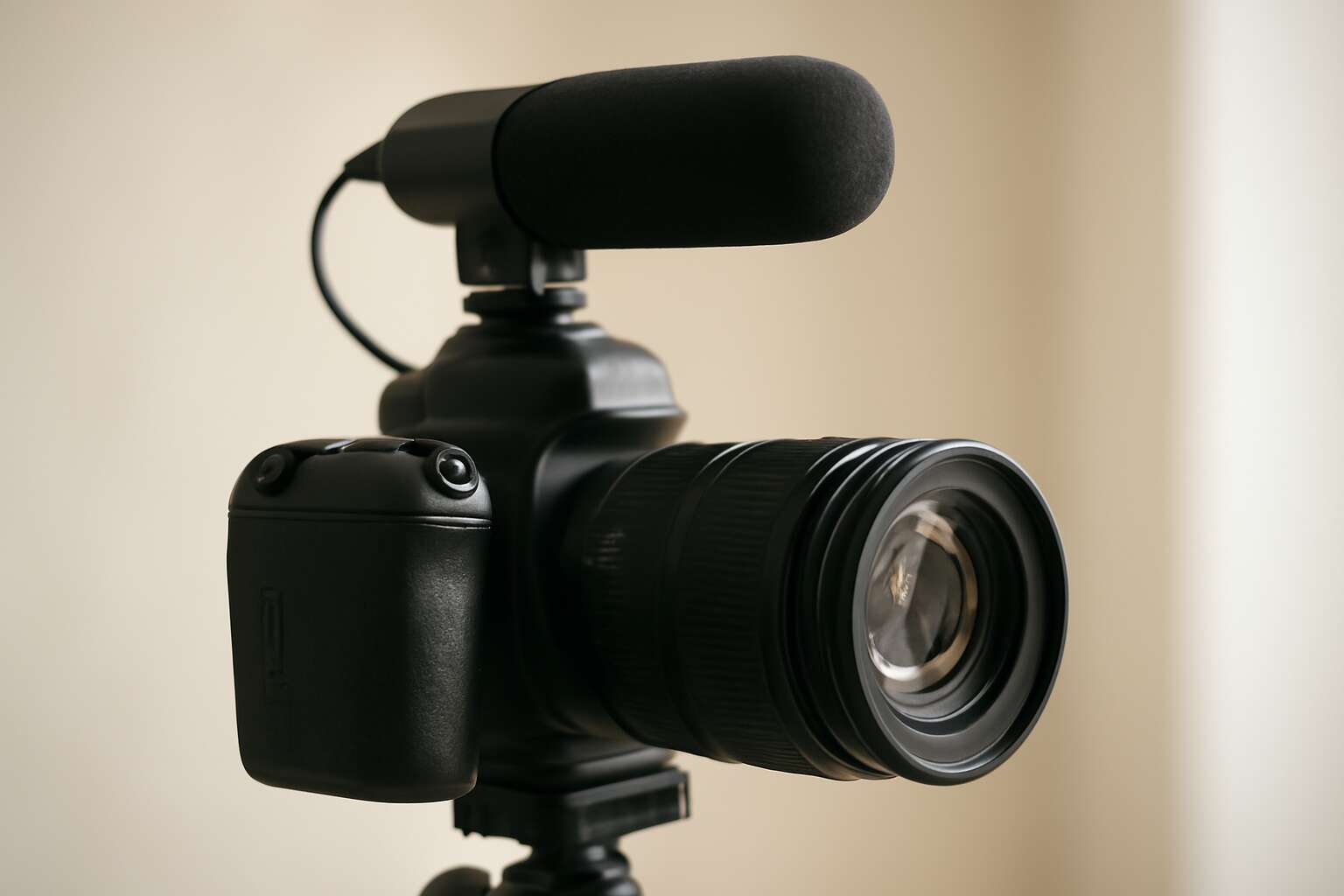
DSLR Audio Setup and Microphone Guide
Understanding Microphone Types for DSLRs
In South Africa’s vibrant production scene, sound can make or break a shoot. Clear audio lets the visuals breathe and the story speak with confidence, turning noise into texture on every frame.
For a dslr camera microphone setup, detail is king. Relying on built-in preamps rarely yields cinema-grade results; many productions blend an external microphone with a quiet location. The choice between a shotgun or a lavalier shapes how dialogue sits in the frame.
Understanding microphone types helps script and scene alike flourish under the same lighting. Here are common choices for a DSLR workflow:
- Shotgun microphones—directional, great for isolating dialogue and spoken word
- Lavalier microphones—tiny, clip-on mics that travel with talent
- Boundary or clip-on omnidirectional mics—capture room ambience with a natural balance
Each option carries its own character, texture, and limitations, inviting the storyteller to tune the soundscape with intention.
Compatibility and Connections
On South Africa’s dynamic production stages, sound is the hinge that lets the image carry meaning. “Sound is the invisible actor on set,” a South African director notes, and strong audio often seals the moment before the cut.
Your dslr camera microphone setup hinges on compatibility and practical connections. Built-in preamps rarely deliver cinema-grade clarity; many productions pair an external microphone with a quiet location to preserve dialogue and texture.
Here are key compatibility and connection considerations:
- Input options and connectors: 3.5mm jacks, XLR via adapters, or USB interfaces.
- Power and preamp needs: battery-powered mics versus phantom power setups.
- Monitoring and routing: reliable headphone monitoring and clean output to recorders.
With the right approach, the setup becomes a co-director, shaping tone as much as tempo. This is where South Africa’s storytelling meets technical clarity, turning texture into truth.
Placement and Recording Techniques
On South Africa’s bustling production stages, sound is the hinge that lets the image carry meaning. A veteran director once said, “Sound is the hinge that decides the cut,” and the right dslr camera microphone anchors that decision! Even in sunlit rooms, clean audio can redraw a moment.
Placement and recording techniques read more like listening than engineering. It’s about texture: how voices sit, breath and pause, and how the room’s quietude carries the scene. Reliable monitoring keeps dialogue truthful as it travels to the editor, avoiding the jolts that let a good shot feel hollow.
- Room tone and texture shape how voices sit in a scene
- Natural proximity fosters intimacy without harsh cues
- Headphone monitoring reveals leakage and timing quirks
In this context, audio becomes a quiet co-director, translating human speech into truth across South Africa’s diverse storytelling spaces.
Audio Quality, Levels, and Post-Production Basics
On South Africa’s sets, a clean take often hinges on what you capture in the mic. The dslr camera microphone becomes a bridge between image and emotion, translating breath, inflection, and room tone into truth—without shouting over the scene’s natural rhythm.
Dial in audio quality by choosing the right mic for the space, keeping monitoring honest, and preserving headroom in post. Levels are about tempo and texture, not merely numbers. In post, light noise reduction and gentle compression help voices stay present without sounding processed.
- Room tone and texture awareness
- Proximity and leakage checks
- Consistent monitoring before handoff to edit
Budget-Friendly to Pro Options
Audiences tolerate shaky video, but not muddy sound. A recent report found 60% of viewers abandon clips within 10 seconds due to audio flaws. On South Africa’s sets, the dslr camera microphone links image and emotion, translating breath, tone, and room into truth without competing with the scene!
In practice, mic choices vary with space—dynamic for lively rooms, compact shotgun for focused dialogue. Real-time monitoring with decent headphones preserves headroom; gentle processing keeps voices natural.
- Budget-friendly to pro options
- Power and connectivity considerations
- Room awareness and leakage checks
In the South African audio landscape, gear spans budget-friendly to pro, but the goal remains coherent sound that carries the story, not just a shiny mic.
0 Comments