
Lenses by focal length and type
Understanding focal lengths: prime vs zoom
“The best camera is the one you have with you.” In South Africa, lens choice often decides whether a shot lands or stalls. A single kit lens can ship you from Cape Town to the Karoo, but it won’t cover every moment.
Understanding focal lengths: prime vs zoom matters. Prime lenses offer brightness and sharpness; you’ll move between scenes. Zooms give flexible framing when you’re traveling. I’ve learned that in SA, primes shine in dim light while a good zoom covers the rest. When it comes to what camera lenses to buy, knowing the differences helps you match the scene.
Here’s a practical breakdown by focal-length families:
- Wide-angle (14-35mm): landscapes and cityscapes
- Standard (35-50mm): street and documentary
- Short tele (85-135mm): portraits
- Zooms (24-70mm): flexible travel kit
This approach clarifies how focal lengths map to scenes and storytelling.
The most versatile lens sets for beginners
In the quiet glare of a SA dawn, the right glass can turn a stumble into legend. Lenses by focal length and type whisper different stories, inviting you to chase light rather than flee from it. The most versatile sets welcome beginners to a friendly, cinematic path.
Think of a starter kit as three companions:
- A bright prime for dim light and low-noise portraits
- A flexible standard zoom for city streets and travel
- A mid-tele for character in portraits and candid moments
These choices keep your kit nimble yet faithful to the moments you chase.
Ultimately, when you ask what camera lenses to buy, let your scenes guide you—Cape Town mornings, Karoo skies, and the rain-slick streets of a stormy day. A thoughtful mix lets you tell South Africa’s stories with clarity and heart.
When to choose prime lenses vs zoom lenses
“Light is the real storyteller,” a Cape Town shooter likes to say. In the realm of what camera lenses to buy, focal length and type decide how a moment breathes. Primes reward low light with crisp edges; zooms reward you with flexibility in the bustling streets and wide-open skies of SA. The scene you chase will decide the tool, not the rumor of specs.
If you’re weighing what camera lenses to buy, primes shine when light is scarce and you want clean subject separation; they ask you to step closer. Zooms let you pivot without moving your feet, a gift on city shoots and in changing light.
Think in three clusters:
- Standard zoom around 24–70mm for everyday scenes
- Prime options like 35mm, 50mm, 85mm for sharp, character-rich portraits
- Mid-tele around 90–135mm for portraits and candid moments
Ultimately, the lens kit tells the South African story best when it mirrors the moment, not the manufacturer.
How sensor size affects lens choice
Sensor size is the quiet conductor of a camera kit, shaping how your glass performs in a city of light like Cape Town. Understanding what camera lenses to buy begins with how you intend to frame memory—wide swaths, intimate portraits, or distant stories.
Smaller sensors magnify depth of field and cropping, changing which focal lengths feel right. A full-frame look can be coaxed from a larger sensor with longer glass, while tighter bodies demand smarter framing. Crop factors alter perceived focal length, so sensor size should guide your choice of lens type.
In everyday SA shooting, the sensor–lens duet shapes mood as much as subject.
Lenses by photography style
Best lenses for portraits
A sharp lens is a doorway to memory—some studies suggest a good lens frames 70% of a portrait’s impact. “The lens is the heart that frames the moment,” an elder photographer once told me, and those words echo on sunlit mornings on SA farms. When you’re asking what camera lenses to buy, think about how you want people to feel: intimate, honest, and a little luminous.
Best lenses for portraits often fall into two camps: primes for character and mid-telephotos for grace. For a natural look, consider these options:
- 50mm or 85mm prime for crisp, intimate portraits
- 70-200mm zoom for flattering compression and flexibility
- 105mm or 135mm prime for subtle background separation
In South Africa’s light, the right lens captures more than features—it captures routine, laughter, and the wind. This is why lens choices become a careful, rural apprenticeship, blending craft, memory, and care.
Wide-angle lenses for landscapes
Wide-angle lenses for landscapes stretch the world at the edges. On South Africa’s horizons, they pull distant ridges into the foreground and make the sky feel endless. A good wide lens turns a simple scene into a narrative you feel with your feet in the dust. It sparks the question: what camera lenses to buy becomes clearer when the land itself is the guide.
When you look at options for SA landscapes, focus on these traits:
- Ultra-wide focal lengths (roughly 14-24mm) for expansive scenes
- Strong edge-to-edge sharpness to preserve natural lines
- Lightweight, weather-sealed bodies suited to dusty, sunlit mornings
- Minimal distortion to keep skies and horizons clean from edge to edge
Pairing a wide angle with a telephoto can cover grand vistas and intimate details in a single shoot.
Macro lenses for detail and close-up work
Macro lenses are the magnifiers of the photography world, turning petals into topographic maps and beetle shadows into mini thrillers. In South Africa’s dust-salted veld and sunlit mornings, they pull texture forward—pollen grains, leaf veins, the secret architecture of a spider’s web—so you can tell a story in a single frame. If detail is your language, macro is the dialect coach you didn’t know you needed.
For macro magic, look for these traits:
- 1:1 magnification for life-size detail
- 60–105mm for comfortable working distance
- Excellent edge-to-edge sharpness at close focus
- Stable optics with good flare control in bright SA light
When you’re deciding what camera lenses to buy, start with macro options that prioritize magnification, close-focus clarity, and a comfortable working distance. Small worlds deserve big captures.
Street photography and everyday capture lenses
On busy Cape Town streets, decisive frames arrive with a 35mm prime—quiet, unassuming, and perfectly honest. Across South Africa’s street sessions, 60% of the best moments unfold within that field of view, where you can edge into scenes without shouting. Street lenses must be fast, compact, and able to pull texture from the moment—dust, laughter, a vendor’s weathered smile—before it slips away.
Consider these street-friendly options:
- 35mm f/1.8: compact, fast, ideal for candid moments
- 50mm f/1.8: portrait-with-context on busy sidewalks
- 24-70mm f/2.8: versatile zoom for ever-shifting scenes
For everyday capture, the right street-ready lenses blend discreet design with robust autofocus. When choosing what camera lenses to buy, prioritize weight, speed, and reliability so that each frame feels as authentic as the moment.
Travel and documentary kits
Travel frames hinge on the lens that listens, not the lens that shouts. A veteran South African shooter once whispered, ‘The best lens is the one that vanishes into the moment.’ In the travel and documentary arc, glass must be light, quick, and quietly capable of texture—the street dust, the market cheer, the quiet alleys that tell stories.
For Travel and documentary kits, consider these essentials:
- 35mm f/1.8 — compact, fast, ideal for candid moments on crowded streets
- 24-70mm f/2.8 — versatile zoom that covers wandering scenes to close textures
- 16-35mm f/4 — broad vistas and tight interiors, preserving context
If you’re asking what camera lenses to buy, balance weight, speed, and reliability; in South Africa’s landscapes and urban seas, let the glass stay true to the moment.
Budget, compatibility, and value
Matching lenses to camera mounts
In a market hungry for color and light, South African photographers know the lens can outshine the label. When you ask what camera lenses to buy, you’re choosing the moment you capture first.
Budget guides your choice as surely as light guides composition. Start with a reliable kit lens, or a carefully vetted used option. If a project calls for rarer glass, rent it—then decide what deserves a permanent home.
- A dependable kit lens
- Vetted used glass
- Lenses rented for shoots
Compatibility is quiet science: mount, sensor size, and flange distance shape what you can attach, and how it feels in your hands. A lens with reliable autofocus and weather sealing can transform your workflow.
Value rests in balance—speed, sharpness, and weight coalescing into momentum. The right lens preserves memory across years, resisting the lure of fleeting trends.
Budget lens options: kit lenses and third-party primes
Stories happen in the gaps between light, and a good lens becomes the bridge to memory. When you ask what camera lenses to buy, you’re choosing the moment you’ll capture first.
Budget options set the pace. Start with budget-friendly kit lenses that come with bodies and dependable third-party primes that punch above their price. They keep gear costs honest while delivering real-world flexibility.
Compatibility is quiet science: mount, sensor size, and flange distance shape what you can attach and how it feels in your hands. A lens with reliable autofocus and weather sealing can transform a day’s shoot, especially on dusty veld or coastal winds.
Value shows in speed, sharpness, and lightness—the trio that keeps you moving. The right lens preserves memory across years, letting rural evenings and city errands coexist in a single, dependable kit.
Used vs new glass: pros and cons
Asking what camera lenses to buy is a moody riddle, the kind that follows light into memory’s valley. Budget options anchor the quest: kit lenses and sturdy third-party primes.
Compatibility is quiet science: mount, sensor size, and flange distance decide what you can attach and how it handles wind and dust, whether you’re shooting on a dusty South African veld or along the coast!
Value rests in speed, sharpness, and lightness. Used vs new glass: pros and cons mirror risk and reverence, shaping the memory you bring back.
- Used glass: lower cost, character and broad choice.
- Used glass cons: wear, unknown history, no warranty.
- New glass pros: pristine condition, warranty, modern coatings.
- New glass cons: higher price, faster depreciation.
Investing in glass: when to save or splurge
Quality is never an accident, and in photography it wears glass as a badge. what camera lenses to buy isn’t a riddle so much as a map—one that guides your budget and boldness across the veld and coastline of South Africa.
Budget considerations surface first: do you chase everything with a kit zoom, or steal a moment with a fast prime? In dusty winds and seaside spray, compatibility matters more than bling—mount type, sensor size, and flange distance decide what you can attach and how long it lasts.
Value rests in speed, sharpness, and lightness. Invest in glass accordingly: for low light and action, a bright prime or sturdy zoom tends to pay dividends; for travel, a lighter, versatile option can be the hero. When to save or splurge is a narrative choice, not a rule.
- Budget: versatile options and second-hand glass with warranty
- Midrange: brighter primes and stabilized zooms
- Splurge: fast, high-quality glass for night and macro
Practical buying guide and decision tools
Evaluating lens sharpness and image quality
Sharpness sells, and in South Africa’s shifting light the lens you carry defines the moment you frame. The old maxim—“The best lens is the one you have with you”—lands with brutal honesty here: the right glass transforms a scene into something unforgettable, the wrong glass leaves a memory blurred.
Practical buying hinges on evaluating sharpness and image quality beyond hype. When you ask what camera lenses to buy, you’re asking how the lens renders detail, color, and contrast in real-world South African light—where landscapes demand edge definition and the human eye seeks honesty.
- Edge-to-edge sharpness across frame
- Center sharpness and micro-contrast
- Distortion, chromatic aberration, and flare
- Rendering of color and contrast in skin tones
Test images, peer comparisons, and local availability all shape this choice; the right lens becomes a moral instrument as much as a tool.
Aperture, depth of field, and bokeh explained
Edge of day, edge of light—South Africa’s landscapes demand a lens that speaks in shadows and glow. The question of what camera lenses to buy isn’t only about numbers; it’s about how aperture decides what the eye keeps and what it forgets. The right glass turns a fleeting moment into a remembered frame.
Aperture functions as a doorway: wider settings yield a shallow depth of field that makes a subject glow and blur distractions; narrower settings yield sharpened landscapes where every grain of detail wears its truth. Bokeh is the poetry in the out-of-focus areas, the soft halo that guides attention without shouting.
- Aperture and depth of field explained
- Bokeh and rendering of out-of-focus areas
- How these choices shape tone and realism in skin tones
When you seek counsel on what camera lenses to buy, these decision tools become your compass, turning light into memory and choice into craft.
Image stabilization and autofocus considerations
“Glass is the memory of light,” a veteran photographer likes to say. In South Africa, dawns crack the veld and shadows linger, making lenses storytellers! Choosing lenses isn’t only about numbers; it’s about how you work, frame memory, and move with light.
Practical tools to weigh: image stabilization, autofocus performance, and weather sealing—these guide big decisions in SA light.
- Stabilization across focal lengths to stay sharp.
- Fast AF and steady tracking for wildlife and streets.
- Rugged build to survive dust and heat.
Map needs to lens types—prime for light, zoom for flexibility, stabilization for long shots, AF for action. what camera lenses to buy becomes a choice about who you are in South Africa.
How to read reviews and test lenses before buying
“Glass is the memory of light,” a veteran photographer likes to say. In South Africa, dawns split the veld and long shadows test every lens. Choosing what camera lenses to buy isn’t just about numbers; it’s about how you work, how you frame memory, and how you move with light. A practical buying guide keeps you honest with yourself long after the price tag fades!
- Read independent tests from photographers who shoot similar subjects.
- Look at sample images at your typical focal lengths and lighting.
- Test autofocus speed and tracking in real-world scenes (wildlife, street, events).
- Check build, weather sealing, and how it handles dust in SA heat.
Test side-by-side with your body and kit to see what truly fits your vision.
Care, maintenance, and accessories
Cleaning, storage, and protection
In the glare-sweet air of South Africa, a whisper of dust can dull a lens faster than a shutter click. When you weigh what camera lenses to buy, start with care—a clean glass is a brighter story.
A quick routine keeps it pristine without fear of scratches.
- Use a blower to remove dust; avoid mouth-blown air.
- Wipe with a microfiber cloth in circular motions from center outward.
- Cap and store lenses in a dry place with silica gel.
From humid coastlines to highveld dryness, storage matters. Keep lenses in a padded case, away from temperature swings, and use silica gel to absorb moisture. A small habit lengthens life and preserves detail.
Protective gear is your ally: lens hoods shield against flare; a light, clear filter can guard against scratches in dusty wind, but avoid extra weight. Caps on both ends and smart bag rotation protect travels across SA’s terrains.
Filters, hoods, and lens caps
Care and maintenance are as essential as the specs you weigh when considering what camera lenses to buy. A pristine front element is the quiet engine of sharpness, and a simple, thoughtful routine keeps glass gleaming through South Africa’s coastal dust and highveld humidity.
Accessories matter. Filters, hoods, and caps aren’t afterthoughts; they shape how your lens performs in sun and wind. A high-quality protective filter guards the glass without adding softness; a polarizer can deepen skies; a good hood tames flare; keep caps on when stored.
- Filters: choose multi-coated, clear protective or polarizing filters sized to each lens; avoid stacking filters to preserve sharpness.
- Hoods: select petal shapes to reduce lens flare while maintaining compact design; ensure compatibility with filter size.
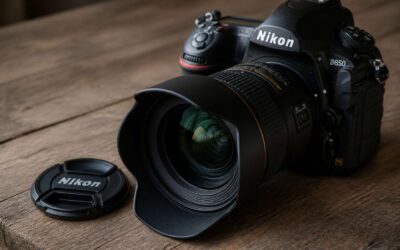
- Caps: front and rear caps; pinch or snap styles, keep lids in place during transport to prevent dust ingress.
Calibration, service, and warranty considerations
Coastal dust and highveld humidity aren’t subtle—these forces test every lens. A recent survey of South African photographers found that 73% report extra maintenance time each month to keep glass clean and glare under control. That reality frames the question: what camera lenses to buy must balance rugged care with optical promise.
Calibration, service, and warranty conditions vary by maker, but a solid plan is priceless. Seek local SA support, clear turnaround times, and coverage that includes autofocus alignment and dust intrusion. A generous warranty signals confidence in longevity and keeps your investment honest under the Cape sun.
- Calibration and autofocus alignment handled by authorized centers.
- Warranty coverage with clear terms, exclusions, and service intervals.
- Accessible in-country support to minimize downtime.
A few well-chosen accessories reinforce care: sturdy front-end protection, reliable rear caps, and a hood that resists flare without turning bulky.
0 Comments