
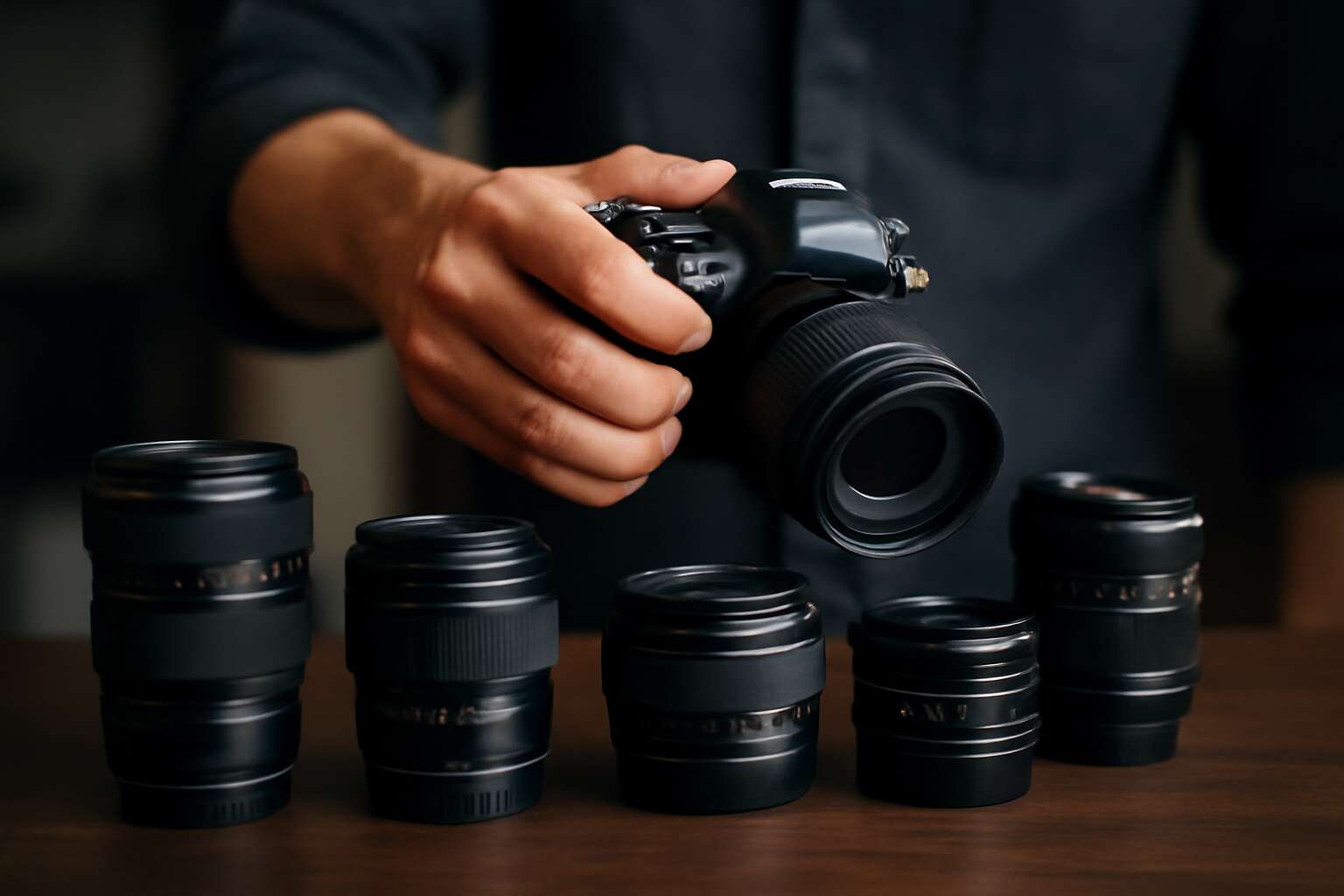
Understanding Camera Lens Compatibility
Types of Camera Mounts – Overview of popular camera mounts (Canon EF, Nikon F, Sony E, Micro Four Thirds, etc.)
Understanding camera lenses compatibility is crucial for anyone serious about photography. With thousands of lenses available, knowing your camera’s mount type can save you time and money. Different camera brands often use unique mounts, making lens compatibility a critical factor in your gear choices. For example, Canon EF lenses are designed for Canon’s full-frame DSLR cameras, while Sony E-mount lenses suit Sony mirrorless models. The compatibility between these mounts isn’t universal, which means you can’t always swap lenses without an adapter.
Popular camera mounts include:
- Canon EF and RF
- Nikon F and Z
- Sony E-mount
- Micro Four Thirds
Each mount type offers specific advantages and limitations depending on your camera system. Micro Four Thirds, for example, provides a compact form factor with excellent lens compatibility across brands like Panasonic and Olympus. Recognizing these differences ensures you select the right lens for your camera and enhances your photographic flexibility—because ultimately, understanding camera lenses compatibility is the key to unlocking your camera’s full potential.
Sensor Size and Its Impact – Full-frame vs. crop sensor compatibility considerations
The relationship between sensor size and camera lenses compatibility is often underestimated, yet it shapes the very essence of image quality and creative control. Full-frame sensors, renowned for their expansive capture area, demand lenses designed to maximize their potential—like Canon EF or Nikon F lenses—ensuring sharpness and depth of field that draw viewers into a vivid visual narrative. Conversely, crop sensors, such as those found in Micro Four Thirds or APS-C cameras, introduce a different set of considerations. The crop factor—typically around 1.5x or 2x—effectively magnifies the focal length, impacting how lenses perform and what field of view is achievable.
Understanding these nuances is vital—because when mismatched, it can lead to compromised image quality or wasted investment. For instance, trying to use a full-frame lens on a crop sensor without considering the crop factor might result in unexpected framing or vignetting. The compatibility of camera lenses depends heavily on these sensor size distinctions, emphasizing the importance of selecting lenses that align with your camera’s sensor specifications. Whether shooting wide landscapes or intimate portraits, recognizing how sensor size influences camera lenses compatibility is the key to unlocking the full potential of your photographic arsenal.
Digital vs. Film Cameras – Differences in lens compatibility across digital and film models
Camera lenses compatibility varies significantly between digital and film cameras. Digital models often feature electronic mounts, allowing for autofocus and auto exposure functions that film cameras can’t support. This difference impacts which lenses are compatible and how they perform. For example, many digital cameras require lenses with electronic contacts, making older manual lenses less versatile.
In contrast, film cameras tend to have purely mechanical mounts, which means they can often use a broader range of lenses, including vintage options. However, this can also lead to limitations, such as lack of autofocus or image stabilization. When considering camera lenses compatibility, it’s crucial to check if your camera’s mount type and sensor system align with the lens specifications.
- Mount type compatibility
- Electronic contacts and communication protocols
- Sensor size and crop factor considerations
Understanding these distinctions ensures you choose the right lenses for your camera, avoiding costly mismatches and optimizing image quality. Whether shooting on digital or film, compatibility is the foundation for unlocking the full potential of your photographic gear!
Factors Influencing Lens Compatibility
Mount Type and Camera Body – How mount type determines which lenses fit
Camera lenses compatibility isn’t just about matching brands or sensor sizes—it’s shaped by the very mount type on your camera body. Think of the mount as a universal connector; if it doesn’t match, the lens simply won’t fit, no matter how impressive its specs are. This subtle detail often trips up enthusiasts who assume all lenses are interchangeable, but compatibility is more nuanced than that. The mount type dictates the physical fit, but also influences electronic communication, autofocus capabilities, and aperture control.
For example, a Canon EF lens won’t fit onto a Sony E-mount camera without an adapter. However, even with an adapter, some features may not work seamlessly, impacting camera lenses compatibility. This is why understanding the specific mount on your camera and the lenses designed for it is vital. Sometimes, a simple adapter solves the problem, but other times, it can introduce limitations. Knowing this helps photographers avoid costly mistakes and ensures their investment in lenses will deliver the desired performance.
- Identify your camera’s mount type
- Research lenses designed for that mount
- Consider potential compatibility issues with adapters
Ultimately, the shape and design of the mount act as the gatekeeper for camera lenses compatibility, shaping what’s possible with your gear and ensuring your creative vision isn’t hampered by technical mismatches.
Autofocus and Aperture Compatibility – Compatibility of autofocus functions and aperture control
When delving into the world of camera lenses compatibility, one often overlooked factor is autofocus functionality. Not all lenses communicate seamlessly with every camera body, especially when considering the electronic connections necessary for autofocus and aperture control. A lens designed for one mount might physically fit, but if the autofocus motor isn’t compatible, you’ll lose critical features that make capturing sharp images effortless.
Furthermore, aperture compatibility can become a stumbling block, particularly with older or third-party lenses. Some lenses may lack electronic aperture control, forcing photographers to rely on manual adjustments—something that can hamper workflow, especially in fast-paced shooting environments.
- Autofocus motor type
- Electronic contacts and communication protocols
These elements are instrumental in determining smooth operation and full camera lenses compatibility.
In the end, understanding how autofocus and aperture systems interplay with your camera’s technology is essential. It’s not just about fitting the lens; it’s about ensuring that every shot is sharp, every setting responsive, and every creative vision achievable without technical roadblocks. After all, the right compatibility ignites the true potential of your gear, transforming mere equipment into a precise extension of your artistic expression.
Lens Registers and Flange Distance – Understanding flange focal distance and its importance
Understanding the nuances of camera lenses compatibility is crucial for maximizing your gear’s potential. One often overlooked factor is the lens register, sometimes called flange focal distance. This measurement—how far the lens sits from the camera sensor—directly impacts whether a lens can physically mount and function properly. A mismatch here can render even the most advanced lens useless on a particular camera body.
For example, a lens designed for a camera with a shorter flange distance might not fit on a camera with a longer one without an adapter. Conversely, using an adapter can sometimes introduce issues with focus accuracy or aperture control. This is why knowing the specific flange distance of your camera and how it compares to your lens collection is fundamental to understanding camera lenses compatibility.
- Check the flange focal distance of your camera.
- Compare it with the lens mount specifications.
- Use appropriate adapters if necessary, but be aware of potential compatibility issues.
In the South African market, where diverse camera systems coexist, this knowledge is especially valuable. It ensures that your investment in camera lenses compatibility pays off, allowing creative freedom without technical roadblocks. When the flange distance aligns, your gear becomes an extension of your vision—precise, responsive, and ready for any shot.
Interchangeable Lenses and Adaptors
Using Adapters to Extend Compatibility – Types of adapters and their pros and cons
Interchangeable lenses have revolutionized the art of photography, offering unprecedented flexibility and creative control. Yet, the challenge of camera lenses compatibility can sometimes feel like navigating a complex maze, especially when dealing with diverse camera brands and models. Enter adapters: the unsung heroes that bridge the gap between incompatible systems and extend your photographic horizons. Using adapters to extend compatibility allows photographers to embrace a broader array of lenses, whether vintage glass or specialized optics, without being tethered to a single brand or mount.
However, not all adapters are created equal. Some preserve autofocus and aperture control, making the transition seamless, while others may only support manual focus and manual aperture settings. For instance, a simple mechanical adapter can be an affordable solution but might sacrifice autofocus capabilities. Conversely, electronic adapters often include circuitry that maintains autofocus and auto-exposure functions, yet they tend to be more expensive.
In essence, understanding the types of adapters available can empower you to make informed decisions, enhancing your camera lenses compatibility and unlocking new creative potentials. Whether you’re a professional or an avid hobbyist, selecting the right adapter can transform your gear into a versatile powerhouse—without the need to constantly invest in new lenses.
Limitations of Adapters – Potential issues like autofocus slowdown or loss of stabilization
Adapters for camera lenses compatibility often promise seamless integration, but the reality can be more complicated. One common issue is autofocus slowdown. When using an adapter, especially a manual or inexpensive mechanical one, autofocus can become sluggish or even unreliable, disrupting the flow of capturing spontaneous moments. Similarly, stabilization systems—such as in-body image stabilization (IBIS)—may not function properly, leading to blurred images in low-light conditions.
For photographers relying on quick adjustments, these limitations can be frustrating. The loss of autofocus and stabilization isn’t just a minor inconvenience; it fundamentally alters how effectively you can use certain lenses. Some adapters support electronic connections that maintain autofocus and auto-exposure, but these tend to be pricier and may still suffer compatibility hiccups.
- Manual focus may be the only option, requiring patience and precision.
- Auto-stabilization features could be compromised, affecting image clarity.
- Lenses designed for different sensor sizes might not perform optimally without proper adaptation.
Understanding these potential issues is crucial when considering camera lenses compatibility through adapters. They can extend your creative reach, but they also demand awareness of their inherent limitations—especially if autofocus speed and stabilization are top priorities for your work.
Choosing the Right Adapter – Tips for selecting compatible adapters for your setup
Choosing the right adapter is akin to forging a connection that can either elevate your artistic vision or diminish it into frustration. The delicate dance between lens and camera body hinges on compatibility—each component a piece of a complex puzzle. When selecting an adapter, understanding the nuances of camera lenses compatibility is essential; not all adapters are created equal, and subtle differences can have profound implications.
One crucial factor is ensuring that the adapter supports your specific mount type and sensor size. For example, a lens designed for a full-frame sensor may not perform optimally on a crop sensor without proper adaptation, affecting image quality and functionality. To navigate this labyrinth, consider the following:
- Verify that the adapter maintains autofocus and auto-exposure if these features are vital to your workflow.
- Assess whether the adapter supports electronic connections, which often come at a premium but preserve lens capabilities.
- Check the flange focal distance—an often-overlooked aspect that influences lens compatibility and focus accuracy.
In the pursuit of expanding your creative horizons through interchangeable lenses, the choice of a compatible adapter becomes a moral decision—one that balances technological limitations with artistic ambitions. Without careful consideration, you risk sacrificing the very essence of camera lenses compatibility that unlocks your unique perspective.
Compatibility Tips for Different Camera Types
DSLRs – Lens compatibility considerations for Canon, Nikon, and other DSLR brands
In the realm of photography, understanding camera lenses compatibility is akin to mastering a language—each brand and model speaks its own dialect. For DSLR enthusiasts in South Africa, navigating the labyrinth of lens compatibility can seem daunting, yet it’s essential for unlocking your camera’s full potential. Canon, Nikon, and other DSLR brands each employ distinct mount systems, which directly influence which lenses can be seamlessly integrated into your setup. A Canon EF lens, for instance, won’t fit onto a Nikon F mount without an adapter, and even then, certain functionalities like autofocus might suffer.
When considering compatibility, pay close attention to the mount type and sensor size. Full-frame cameras often require lenses designed specifically for larger sensors, whereas crop sensors can sometimes accommodate a broader array of lens types. Sometimes, using an adapter can bridge these gaps, but it’s crucial to recognize the limitations—such as potential autofocus slowdown or loss of stabilization—when extending your camera lenses compatibility. Ultimately, the key lies in choosing the right combination that respects your camera’s native architecture while maximizing performance and image quality.
Mirrorless Cameras – Understanding compatibility for Sony, Fujifilm, Panasonic, etc.
In the labyrinth of modern photography, especially within South Africa’s vibrant visual landscape, understanding camera lenses compatibility with mirrorless cameras becomes an intricate dance of precision and nuance. With brands like Sony, Fujifilm, and Panasonic spearheading innovation, each employs distinct mount systems—Sony’s E-mount, Fujifilm’s X-mount, and Panasonic’s Micro Four Thirds—creating a tapestry of options that can both empower and confound the enthusiast.
Unlike DSLRs, where compatibility often hinges on the physical mount alone, mirrorless cameras introduce a layer of complexity through sensor size and flange distance, influencing lens compatibility profoundly. For instance, a Sony E-mount lens seamlessly integrates with a full-frame Sony Alpha camera but may require an adapter to work with a crop sensor or other brands’ systems. When navigating these waters, it’s vital to recognize that not all lenses will maintain autofocus or stabilization when used via adapters, underscoring the importance of compatibility awareness.
- Assess the mount system and sensor size before investing.
- Utilize high-quality adapters designed for your specific camera brand and lens type.
- Be mindful of potential limitations—autofocus speed, image stabilization, and aperture control—when expanding camera lenses compatibility through adapters.
Ultimately, the key to mastering mirrorless camera compatibility lies in appreciating the subtle interplay between mount type, sensor architecture, and the intended creative outcome—each decision weaving a deeper narrative into your photographic journey.
Medium Format and Specialty Cameras – Specialized lens compatibility information
When venturing into the realm of medium format and specialty cameras, understanding camera lenses compatibility becomes an essential, albeit sometimes perplexing, endeavor. These advanced systems often boast proprietary mounts and unique sensor architectures, making compatibility a nuanced affair. Unlike standard mirrorless or DSLR systems, medium format cameras—such as those from Hasselblad or Phase One—often feature dedicated lenses that cannot be swapped at whim. Their specialized lens mounts and larger sensors demand a keen eye for detail, ensuring your investment aligns perfectly with your creative ambitions.
For those exploring the world of specialty cameras, such as infrared or tilt-shift models, compatibility considerations extend beyond mere mount types. These cameras often require bespoke lenses or adapters that preserve precise control over focus and perspective. When working with such gear, it’s prudent to consult detailed compatibility charts and manufacturer guidelines to avoid the frustration of incompatible gear. Remember, even a minor mismatch can significantly impact image quality, especially when dealing with high-resolution medium format sensors that demand the utmost precision in lens compatibility.
- Assess the mount system carefully—many specialty cameras have proprietary mounts that limit options without adapters.
- Verify flange focal distance and lens register; these factors critically influence whether a lens can physically and optically fit your camera.
- Consider the electronic compatibility—autofocus, stabilization, and aperture control—particularly when using adapters designed for different systems.
In the intricate ballet of camera lenses compatibility, a nuanced understanding of these factors ensures your photographic journey remains fluid rather than fraught with unforeseen hurdles. After all, mastery over compatibility is what transforms a mere collection of gear into a formidable creative arsenal—ready to capture South Africa’s vibrant vistas with clarity and finesse!
Upgrading and Compatibility Considerations
Buying New Lenses – Ensuring new lenses are compatible with your camera
In the realm of photography, the thrill of upgrading your camera lenses often feels like embarking on a quest through uncharted worlds. Yet, beneath the allure of new glass lies a labyrinth of camera lenses compatibility considerations that can make or break your creative journey. When selecting a new lens, it’s vital to understand how mount types and sensor sizes influence compatibility—an enchanting dance of engineering and artistry.
For those venturing into the vast universe of mirrorless or DSLR systems, compatibility isn’t merely about fitting a lens onto a camera body. It’s about ensuring that autofocus functions seamlessly, aperture controls respond accurately, and stability features remain intact. Many photographers turn to adapters to extend their lens options; however, these mystical tools can sometimes introduce limitations such as autofocus slowdown or loss of image stabilization.
To navigate this complexity, consider the following:
- Verify that the lens mount matches your camera’s mount type.
- Ensure sensor size compatibility—full-frame lenses may not suit crop sensor bodies without vignetting or crop factors.
- Assess if the lens’s flange distance aligns with your camera to prevent focus issues.
In South Africa’s vibrant photography scene, understanding these subtleties of camera lenses compatibility allows enthusiasts and professionals alike to expand their creative horizons with confidence and clarity. Whether you’re exploring medium format or specialized lenses, knowing the intricacies ensures every shot captures the essence of your vision without compromise.
Legacy and Vintage Lenses – Using older lenses with modern cameras
Vintage lenses hold a certain charm that modern gear often can’t replicate. Using older lenses with modern cameras offers a creative edge, but it’s essential to understand camera lenses compatibility. Not all vintage lenses fit seamlessly onto current digital bodies, especially considering different mount types and flange distances. Many photographers in South Africa enjoy exploring medium format or legacy lenses—yet, these require specific adapters to bridge the gap.
Adapters are invaluable tools but come with limitations. Autofocus speed may slow, or image stabilization features could be compromised. Before diving in, verify the lens mount matches your camera’s mount type and ensure that the flange distance aligns to avoid focus issues. Sometimes, a simple check can save hours of frustration. For those venturing into vintage lens territory, understanding these compatibility nuances ensures you retain control over image quality and creative expression.
Future Proofing – Choosing systems with broad compatibility and support
In a landscape where technological evolution races forward with relentless velocity, the importance of future-proofing your photographic system cannot be overstated. Opting for camera systems with broad compatibility ensures that your investment remains versatile amid the shifting sands of market offerings. This strategic selectivity not only safeguards your creative flexibility but also anchors your gear in a network of support and innovation that endures over time.
When contemplating upgrades, consider the depth of camera lenses compatibility that a system offers. A well-chosen platform, whether mirrorless or DSLR, should accommodate a spectrum of lenses—legacy, modern, or specialty—without sacrificing performance. In South Africa’s vibrant photography scene, where adventure often calls for rugged, adaptable gear, compatibility becomes a vital consideration. It’s worth noting that systems with extensive support for adapters significantly expand your horizons, allowing you to marry vintage lenses with cutting-edge bodies—yet, awareness of potential limitations in autofocus or stabilization is crucial.
- Assess the variety of lens mounts supported by your prospective system.
- Verify the availability of reliable adapters that preserve core functionalities.
- Prioritize brands and models known for seamless integration and ongoing support.
By embracing a system built for compatibility, you future-proof your investment, ensuring that your photographic journey remains fluid, expressive, and resilient against the relentless march of technological change. After all, the true artistry of capturing moments lies not only in the vision but also in the harmony between your gear and the evolving landscape of camera lenses compatibility.
Common Compatibility Challenges and Solutions
Incompatible Mounts – How to identify and resolve mounting issues
Camera lenses compatibility issues can turn a photography session into an exercise in frustration faster than you can say “out of focus.” One common challenge arises from incompatible mounts—imagine trying to fit a square peg into a round hole, but with far more expensive consequences. Recognizing the signs of incompatible mounts often involves inspecting the lens and camera body for mismatched diameters or mounting mechanisms. Luckily, many photographers turn to adapters—those tiny plastic or metal miracles—that bridge the gap between different mount types. However, beware: not all adapters are created equal. Some may slow autofocus, limit aperture control, or even compromise image stabilization. When choosing an adapter for your camera lenses compatibility, look for reputable brands and ensure they support your camera model to avoid a mismatch nightmare. Remember, even with adapters, not every lens will deliver peak performance, but understanding these nuances can save you heaps of frustration—and a few bucks.
Limited Autofocus or Stabilization – Workarounds and compatible options
Limited autofocus or stabilization can transform what should be a seamless photographic experience into an exercise in patience and persistence. When compatibility issues arise, especially with autofocus functions or image stabilization, the results are often less than stellar—blurred images, missed moments, and mounting frustrations. Fortunately, workarounds exist. Many photographers turn to high-quality adapters designed specifically to maintain autofocus capabilities or stabilize images, even when using lenses from different systems.
However, not all solutions are perfect. Some adapters may introduce a slight slowdown in autofocus performance or reduce the effectiveness of in-body image stabilization. For those seeking optimal camera lenses compatibility, it’s essential to select compatible options tailored to your camera’s make and model. Carefully researching brands and reading reviews can help ensure your gear works harmoniously, preserving your creative flow. When choosing your equipment, consider that certain lenses—especially vintage or third-party options—might require specific adapters to unlock their full potential without sacrificing quality.
In cases where autofocus or stabilization limitations threaten to derail your shoot, exploring compatible lens options becomes crucial. For example, some manufacturers produce lenses explicitly designed to work with multiple mount types, alleviating compatibility worries. Alternatively, dedicated lenses from the same brand often guarantee robust camera lenses compatibility, ensuring that every shot is sharp, steady, and true to your vision.
Firmware Compatibility – Ensuring camera and lens firmware are up-to-date
Firmware compatibility can often be overlooked but is critical to maintaining seamless camera lenses compatibility. Outdated firmware can cause unexpected issues, such as autofocus failures or image stabilization problems. Ensuring both your camera and lens firmware are up-to-date helps avoid these hiccups. Manufacturers frequently release updates that improve performance, fix bugs, and enhance compatibility with new lenses.
Checking firmware versions is straightforward. Typically, you can do this through your camera’s menu or manufacturer’s app. If updates are available, applying them promptly will safeguard your investment and ensure your gear functions as intended. Remember, even a minor firmware mismatch can throw off camera lenses compatibility, especially with newer or third-party lenses. Staying current with firmware updates is a simple yet powerful way to keep your photography gear operating at peak performance.
Resources and Tools for Compatibility Verification
Manufacturer Compatibility Charts – Where to find official compatibility information
When navigating the complex landscape of camera lenses compatibility, having access to reliable resources can make all the difference. Official manufacturer compatibility charts are invaluable tools—offering precise details about which lenses fit your specific camera model. These charts are typically available on the brand’s website or through authorized dealers, providing a clear roadmap to avoid costly mismatches.
In addition to manufacturer resources, dedicated online forums and photography communities frequently host updated compatibility guides and user experiences that illuminate nuances you might not find elsewhere. For those seeking a quick reference, many camera brands publish comprehensive compatibility lists that include details on mount types, sensor sizes, and firmware updates.
For professionals and hobbyists alike, investing time in verifying camera lenses compatibility before purchase ensures seamless operation, preserving autofocus functions and stabilization features. Remember, compatibility isn’t static; it evolves with firmware updates and new lens releases—so staying informed through official compatibility charts is essential for long-term satisfaction with your gear.
Online Forums and Communities – Leveraging user experiences for advice
In the realm of photography, understanding camera lenses compatibility can feel like navigating a labyrinth—complex yet essential. With the rapid evolution of camera technology, relying solely on static charts is insufficient; instead, engaging with vibrant online forums and communities offers a dynamic perspective rooted in real-world experience. These spaces are treasure troves of insights, where seasoned photographers and amateurs alike share nuanced advice that often surpasses official specifications.
By tapping into these collective reservoirs of knowledge, you gain access to practical tips on using adapters, troubleshooting compatibility issues, and even discovering lesser-known lens options. An ordered list of common resources includes:
- Photography forums dedicated to specific brands or systems, such as Canon, Nikon, or Sony
- Social media groups where users post their compatibility successes and failures
- Specialized websites that compile compatibility guides based on user feedback
Leveraging user experiences in these communities transforms the often abstract concept of camera lenses compatibility into tangible, actionable knowledge. It’s a testament to the human desire to connect and learn from shared challenges—a vital tool for both professionals and hobbyists aiming to deepen their craft. In the end, these online spaces foster an environment where collective wisdom illuminates the shadows of uncertainty, ensuring every shot is as precise as it is profound.
Compatibility Check Tools – Apps and software to verify lens-camera compatibility
In the realm of photography, ensuring camera lenses compatibility can often feel like decoding an ancient script—complex yet vital for capturing the perfect shot. The rapid pace of technological innovation means static compatibility charts quickly become outdated, leaving photographers adrift without a compass. Enter compatibility check tools—powerful apps and software designed to serve as digital oracles, guiding you through the labyrinth with clarity and confidence.
These tools analyze your camera and lens specifications, revealing potential compatibility issues before you invest or mount that vintage gem. Many apps allow you to input your camera model and lens details, providing instant feedback on autofocus functionality, aperture control, and mount fit. For those venturing into the world of adapters, compatibility check tools become invaluable allies, helping to prevent frustrating surprises during a shoot.
Some popular compatibility check tools include:
- Online apps like Lens Compatibility Finder that specialize in digital verification
- Manufacturer-specific software that updates in tandem with firmware releases
- Community-driven databases where users share real-world compatibility reports
By harnessing these digital aids, photographers can seamlessly navigate the intricate dance of camera lenses compatibility, turning potential obstacles into opportunities for creative exploration. Whether shooting with a full-frame DSLR or a compact mirrorless system, these tools illuminate the path to perfect harmony between lens and camera body, making every shot not just a capture but a testament to precision and passion.
0 Comments